

Customs Clearance China Factory Shipping: A 2025 Logistics Guide
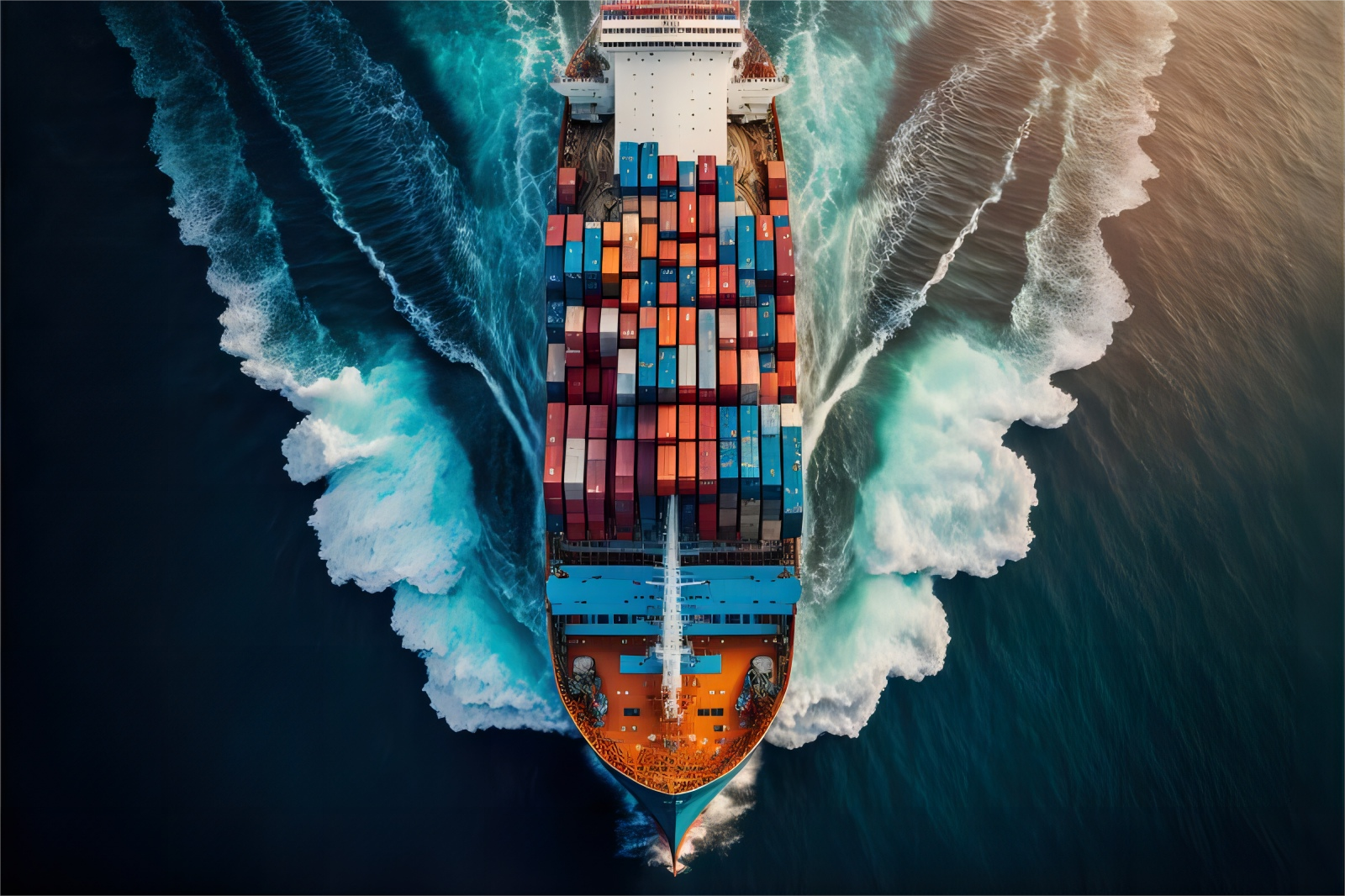
Navigating the complexities of customs clearance china factory shipping remains a significant challenge for modern importers and business owners. Therefore, establishing a robust logistics strategy with a reliable partner like Kom Pass Freight is essential for maintaining a seamless supply chain. This comprehensive guide explores the intricate details of moving goods from Chinese manufacturing hubs to international destinations while ensuring full regulatory compliance.

What is Customs Clearance China Factory Shipping?
Specifically, the process of customs clearance china factory shipping involves several critical steps that begin at the manufacturing plant. Manufacturers must prepare accurate commercial invoices and packing lists before the cargo leaves the facility. Consequently, any error in this initial documentation can lead to severe delays at the port of exit or the destination country.
Moreover, the logistics provider coordinates the pickup and transport of goods to the nearest major port. They ensure that all export licenses are valid and that the cargo complies with local Chinese regulations. Furthermore, the shipper must decide which transport mode best suits their budget and delivery schedule requirements.
Indeed, understanding the role of the factory is vital because they often provide the necessary commodity codes for tax calculation. Many businesses struggle because they fail to verify these details before the shipment departs. Accordingly, clear communication between the buyer, the factory, and the freight forwarder prevents most common shipping hurdles.
How Does Sea Freight Compare to Other Shipping Options?
Choosing the right transport method is a fundamental decision in the customs clearance china factory shipping process. While sea freight offers the most economical solution for large volumes, it requires the longest transit time. On the other hand, air freight provides rapid delivery but at a significantly higher cost per kilogram.
Additionally, rail freight has emerged as a middle-ground alternative for shipments destined for Europe and Central Asia. It offers faster transit than the ocean while remaining cheaper than air transport. Nevertheless, each method has specific limitations regarding cargo type, weight, and hazardous material restrictions.
To summarize, businesses must weigh the trade-offs between speed and cost when planning their inventory cycles. For instance, high-value electronics often travel via air to reduce the risk of theft and market fluctuations. In contrast, bulky furniture or machinery almost always travels via container ships to maximize cost-efficiency.
| Shipping Method | Cost Range | Transit Time | Best For | Limitations |
|---|---|---|---|---|
| Sea Freight | $1,500 – $4,500 | 25-45 Days | Bulk Goods | Slow Speed |
| Air Freight | $5 – $12 per kg | 3-7 Days | Urgent Cargo | High Cost |
| Rail Freight | $2,000 – $6,000 | 15-22 Days | Mid-size Loads | Route Specific |
| Express | $8 – $20 per kg | 2-5 Days | Samples | Weight Limits |
Essential Documents for Customs Clearance China Factory Shipping
Successful customs clearance china factory shipping relies heavily on the accuracy of the paperwork submitted to authorities. Therefore, utilizing a professional customs brokerage service can mitigate the risk of fines or seizures. The primary documents include the Bill of Lading, Commercial Invoice, and the Packing List.
Furthermore, some products require specific certificates of origin to qualify for reduced tariff rates under trade agreements. For example, shipments to certain regions might need a Form E or a CE certificate for electrical safety compliance. Without a doubt, missing a single signature or stamp can halt an entire shipment for weeks.
Meanwhile, the importer of record must ensure that the Harmonized System (HS) codes are correctly applied to every item. These codes determine the duty rates and taxes applicable to the goods upon arrival. Consequently, misclassification can lead to audits and unexpected financial penalties from customs agencies.
| Document Name | Purpose | Required By | Criticality |
|---|---|---|---|
| Commercial Invoice | Valuation of Goods | Customs/Tax | High |
| Packing List | Inventory Details | Warehouse/Port | High |
| Bill of Lading | Title of Goods | Carrier/Bank | Essential |
| Cert. of Origin | Tariff Reduction | Customs | Optional |
Which Option Should You Choose? Decision Framework
Determining the best logistics path involves analyzing several variables including budget, speed, and cargo volume. If your priority is budget and you are shipping more than 15 CBM, a Full Container Load (FCL) via sea is the standard recommendation. However, for smaller shipments under 10 CBM, Less than Container Load (LCL) might be more cost-effective.
Additionally, businesses operating with tight deadlines should consider door to door services to simplify the entire process. This model handles everything from the factory floor to the final warehouse, reducing the administrative burden on the importer. For instance, many Amazon sellers prefer this method to ensure their stock reaches fulfillment centers without delay.
Moreover, hybrid solutions like sea-air combinations can offer a strategic advantage in certain market conditions. By shipping by sea to a hub like Dubai and then by air to Europe, companies can save money while still beating standard ocean timelines. Accordingly, a flexible approach allows businesses to adapt to changing logistics trends and freight rates.
Real-World Case Studies for Customs Clearance China Factory Shipping
Examining real-world examples provides valuable insight into the costs and timelines associated with modern logistics. As of early 2025, market data suggests that rates have stabilized, though seasonal peaks still affect capacity. These cases reflect typical scenarios handled by professional freight forwarders.
Note: Freight rates are subject to change based on fuel costs, carrier capacity, and seasonal demand. Contact us for a current quote tailored to your specific shipment.
Case Study 1: Electronics from Shenzhen to Los Angeles. A client shipped a 40HQ container of consumer electronics via a major carrier. The ocean freight cost was approximately $3,200, with total landed costs reaching $4,100 after origin and destination charges. The total door-to-door timeline was 22 days, including 3 days for customs clearance.
Case Study 2: Industrial Machinery from Ningbo to Rotterdam, Europe. This shipment involved a 20GP container with a total weight of 12,000 kg. Using a transshipment route via Singapore, the ocean freight was $2,100, and the transit time was 34 days. Key insight: Proper crating prevented damage during the transshipment process.
Case Study 3: Fashion Apparel from Shanghai to Sydney. The client used air freight for 500 kg of seasonal clothing to meet a retail launch date. The cost was $6.50 per kg, totaling $3,250 for the air portion. The cargo arrived in Sydney within 5 days, and customs clearance was completed in under 24 hours.
Managing Logistics Trends and Delivery Schedules
Staying ahead of logistics trends is crucial for maintaining a competitive edge in the global marketplace. Currently, digital tracking and real-time visibility are becoming standard requirements for all customs clearance china factory shipping operations. Therefore, shippers should work with forwarders who provide online portals to monitor cargo movements.
Furthermore, environmental regulations are influencing shipping costs as carriers invest in greener fuels and technologies. Consequently, some routes may see ‘green surcharges’ added to the base freight rates in the coming years. Nevertheless, these advancements often lead to more efficient port operations and more reliable delivery schedules.
In addition, geopolitical events continue to impact traditional shipping lanes, forcing carriers to seek alternative routes. For example, disruptions in the Red Sea have led many vessels to divert around the Cape of Good Hope, adding 10-14 days to transit times. In contrast, businesses that maintain safety stock and flexible lead times are better positioned to handle such volatility.
Final Thoughts on Shipping Success
To summarize, mastering customs clearance china factory shipping requires a combination of meticulous documentation, strategic planning, and the right logistics partners. By understanding the differences between sea, air, and rail freight, you can optimize your costs and delivery timelines effectively.
Additionally, staying informed about market trends and regulatory changes will help you avoid common pitfalls and unexpected expenses. Remember that the cheapest option is not always the best if it results in missed deadlines or damaged goods. Therefore, prioritize reliability and transparency in your shipping strategy to ensure long-term business growth.
Ready to streamline your logistics?
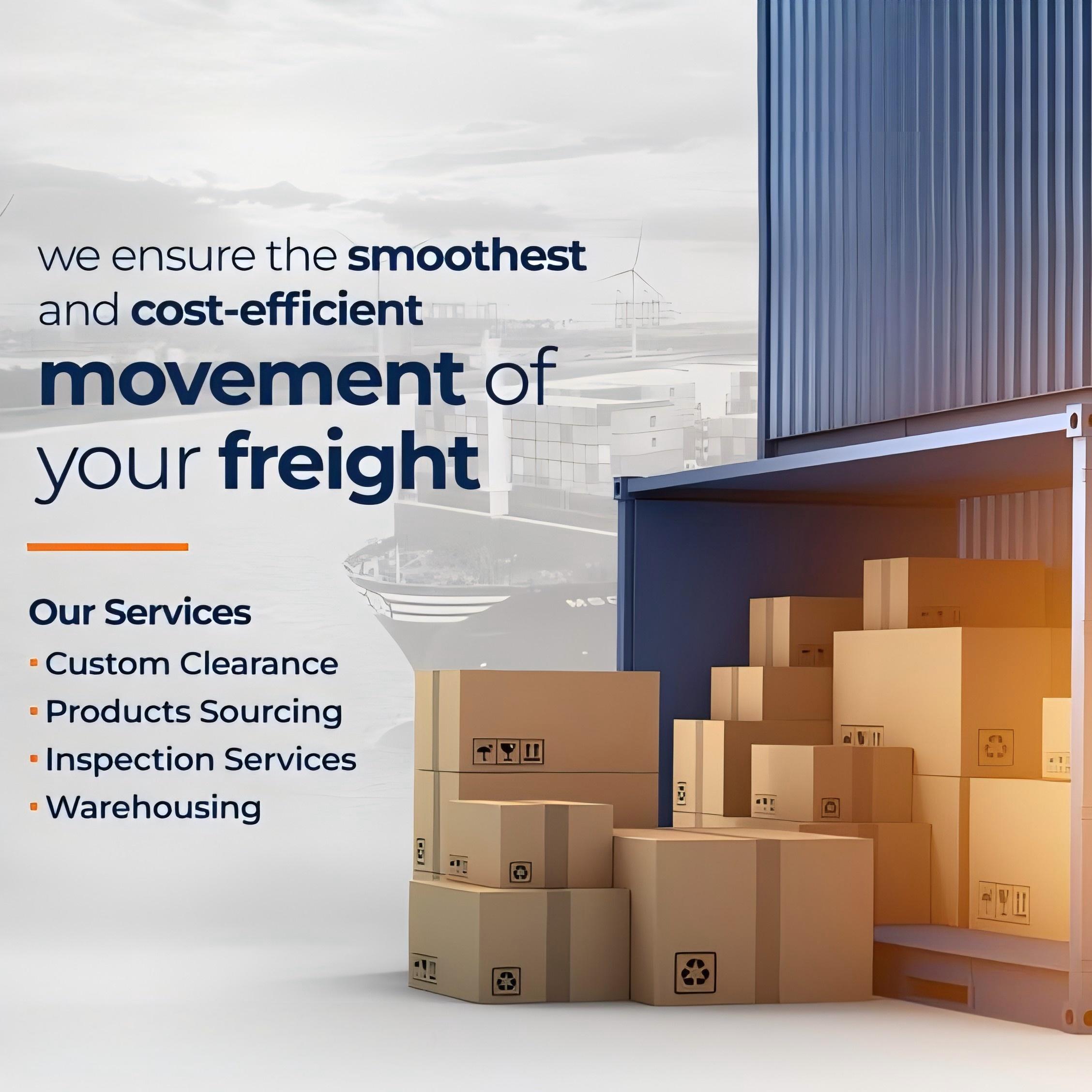
Streamline your global supply chain today by partnering with experts in customs clearance china factory shipping. Our team provides tailored logistics solutions to ensure your cargo arrives on time and within budget. Visit Kom Pass Freight to request a personalized quote and discover how we can simplify your import process. Send Inquiry: Visit our website to start your shipment.
Request Quote