

Express Shipping China Supplier Logistics Italy: The Ultimate 2025 Guide
Modern commerce demands speed and reliability, especially when managing express shipping china supplier logistics italy operations for high-demand products. Many Italian importers face challenges with supply chain delays and complex customs procedures that can disrupt business continuity. By partnering with Kom Pass Freight, you can streamline your procurement process and ensure that your goods arrive safely and on time. Consequently, understanding the nuances of international logistics is the first step toward achieving a seamless import experience from China to the Italian market.
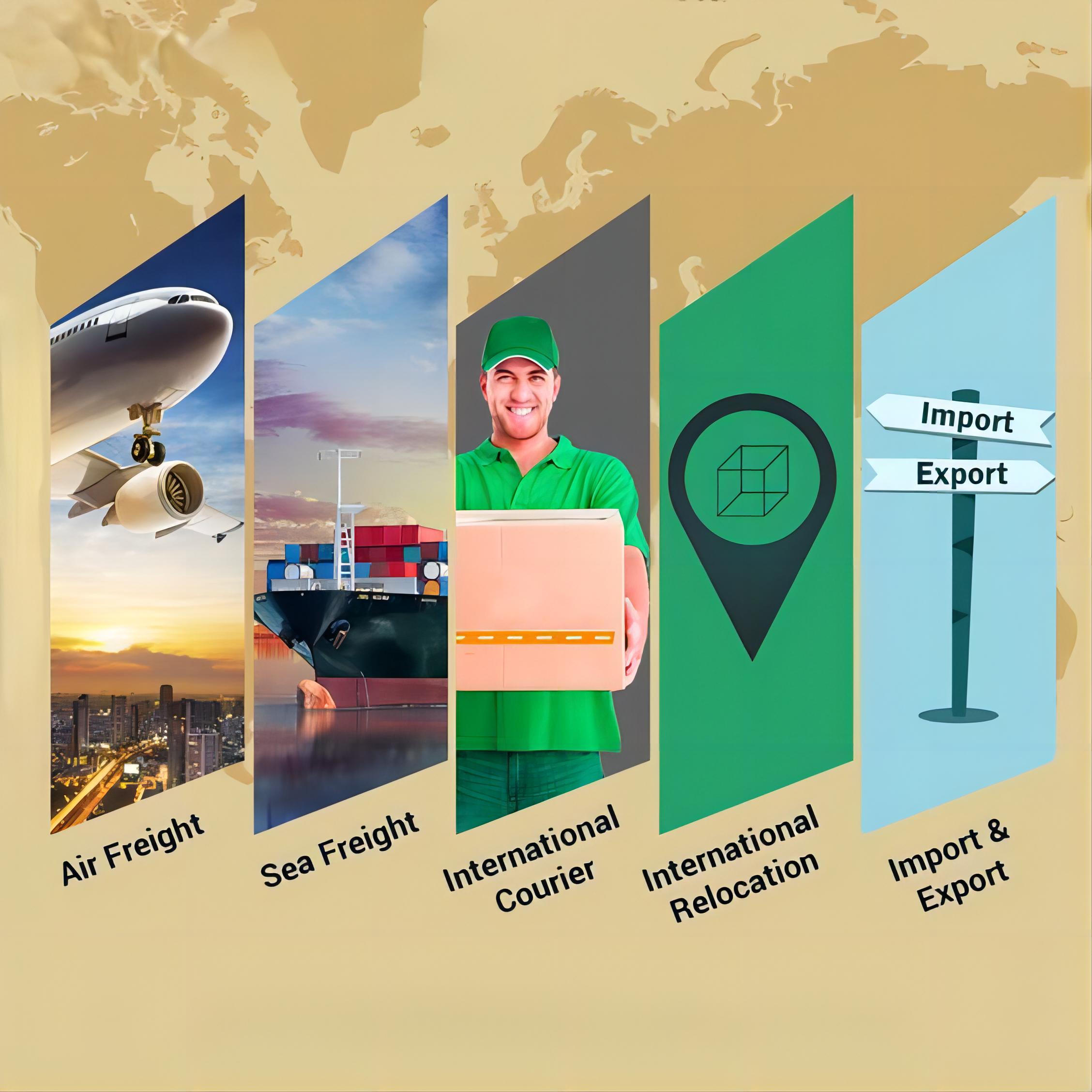
Why Express Shipping China Supplier Logistics Italy is Essential for Your Business
Choosing the right logistics strategy is paramount for businesses that rely on the timely arrival of seasonal goods or high-value electronics. Express shipping remains the preferred choice for many because it offers the fastest transit times available in the current market. Furthermore, this method provides end-to-end tracking, which allows importers to monitor their inventory with high precision throughout the entire journey. Indeed, the ability to respond quickly to market changes in Italy often depends on the speed of your logistics provider.
Moreover, the Italian market is highly competitive, particularly in sectors like fashion, automotive parts, and consumer technology. If your supplier in China experiences production delays, express shipping acts as a vital recovery mechanism to prevent stockouts. Consequently, the premium paid for speed is often offset by the preservation of customer loyalty and the avoidance of lost sales opportunities. Therefore, integrating express services into your broader supply chain strategy provides a necessary safety net for critical shipments.
Additionally, express shipping often simplifies the documentation process compared to traditional bulk sea freight. Most express carriers handle much of the administrative burden, which reduces the likelihood of errors that lead to costly port storage fees. Nevertheless, businesses must still ensure that their Chinese suppliers provide accurate commercial invoices and packing lists. As a result, the synergy between your supplier and your logistics partner becomes the foundation of a successful import operation.
How Air Freight and Express Services Differ for Italian Importers
While many people use the terms interchangeably, there are distinct differences between standard air freight and express courier services. Standard air freight typically involves airport-to-airport transit, requiring the importer to arrange for local pickup and delivery. In contrast, express shipping is a comprehensive door-to-door solution that includes all handling and customs clearance within a single service fee. Consequently, express shipping is often more convenient for smaller, time-sensitive parcels.
Furthermore, weight and volume play a significant role in determining which method is more cost-effective for your specific needs. For shipments exceeding 100 kilograms, standard air freight might offer better freight rates, although it requires more coordination. On the other hand, express services are optimized for speed and ease of use for shipments under this threshold. Therefore, analyzing your average cargo size is essential before committing to a specific shipping method.
Logistics trends suggest that more businesses are moving toward a hybrid approach to balance costs and speed. For instance, you might use sea freight for your primary inventory and express shipping for urgent restocks or samples. This flexibility allows you to manage your landed cost more effectively while still meeting tight delivery schedules. Meanwhile, staying informed about carrier capacity fluctuations can help you make better booking decisions during peak seasons.
Comparing Shipping Methods for the China to Italy Route
Selecting the most appropriate shipping method requires a careful analysis of transit times, costs, and the nature of your cargo. Each mode of transport serves a different purpose within the global supply chain, and the best choice depends on your specific priorities. For example, while speed is the primary benefit of express shipping, cost savings are the hallmark of sea and rail options. Consequently, we have provided a comparison table to help you evaluate these choices based on current market data.
Market data suggests that as of early 2025, freight rates have remained relatively stable, though seasonal spikes are common. Importers should also consider the environmental impact and carbon footprint of their chosen shipping method. While air-based options are faster, rail and sea freight offer more sustainable alternatives for large-scale shipments. Indeed, balancing these factors is a key component of modern logistics management.
| Express Shipping | 3-5 Days | Highest | Urgent Samples, Small Electronics |
| Air Freight | 5-10 Days | High | High-Value Goods, Medium Volume |
| Rail Freight | 18-25 Days | Moderate | Industrial Parts, Eco-friendly |
| Sea Freight | 30-40 Days | Lowest | Bulk Inventory, Large Machinery |
Understanding the Logistics Chain from China to Italy
The journey of a shipment begins at the supplier’s warehouse in manufacturing hubs like Shenzhen, Guangzhou, or Ningbo. Once the goods are ready, the express service provider collects the cargo and transports it to a major international hub. Subsequently, the shipment undergoes export customs clearance in China before being loaded onto an aircraft bound for Europe. This initial phase is critical because any documentation errors can lead to immediate delays at the point of origin.
Moreover, the choice of departure city can influence the overall transit time and cost due to varying carrier frequencies. For instance, shipments leaving from Hong Kong or Shanghai often benefit from more direct flights to Italian airports like Milan Malpensa or Rome Fiumicino. In contrast, departures from smaller inland cities might require additional domestic transit time. Therefore, coordinating closely with your Chinese supplier regarding the nearest logistics hub is highly recommended.
As a result of global logistics trends, many providers now offer enhanced visibility through digital platforms and real-time alerts. This transparency allows you to anticipate the arrival of your goods and prepare your warehouse team in Italy accordingly. Meanwhile, maintaining a strong relationship with a dedicated freight forwarder ensures that you have an advocate if issues arise during transit. Ultimately, a well-managed logistics chain is the backbone of any successful international trade business.
Navigating Customs Brokerage and Import Duties in Italy
Importing goods into Italy requires strict adherence to European Union customs regulations and national tax laws. Utilizing a professional customs brokerage service can significantly reduce the risk of your shipment being held at the border. Specifically, you must ensure that your products are correctly classified using the Harmonized System (HS) codes to determine the applicable duty rates. Furthermore, Italy applies a standard Value Added Tax (VAT) to most imported goods, which must be accounted for in your total landed cost.
Additionally, certain products may require specific certifications, such as the CE mark for electronics or health certificates for food-related items. If these documents are missing, Italian customs authorities may seize the goods or demand expensive testing at the port of entry. Consequently, it is vital to verify all compliance requirements before the shipment leaves China. For instance, providing a detailed and accurate commercial invoice is the most effective way to prevent administrative delays.
Nevertheless, the express shipping process often includes basic customs clearance as part of the service package. However, for complex shipments or high-value items, having a dedicated broker is often safer and more efficient. Indeed, they can provide advice on duty deferment schemes or specific trade agreements that might lower your overall tax burden. Therefore, investing in professional customs expertise is a proactive step toward protecting your profit margins.
Strategic Benefits of Door to Door Solutions
Implementing a door to door strategy eliminates the need for importers to manage multiple logistics providers. This integrated approach simplifies the entire process, as one company handles everything from the initial pickup in China to the final delivery in Italy. Furthermore, it reduces the risk of cargo damage because there are fewer hand-off points between different carriers. As a result, your supply chain becomes more resilient and easier to manage.
Moreover, door-to-door services provide a single point of accountability, which is invaluable when troubleshooting delivery issues. Instead of contacting multiple agents, you only need to communicate with your primary logistics partner to get updates. Consequently, this saves significant time for your operations team, allowing them to focus on core business activities. Meanwhile, the predictable nature of these services helps in maintaining a consistent delivery schedule for your Italian customers.
In addition, many businesses find that the total cost of a door-to-door service is more transparent and easier to budget. By receiving an all-in quote, you avoid the hidden fees that often occur when hiring separate companies for different legs of the journey. For example, local trucking fees and terminal handling charges are typically included in the upfront price. Therefore, for most small to medium enterprises, the convenience and clarity of this model far outweigh the minor cost differences.
How Does Express Shipping Compare to Other Shipping Options?
To make an informed decision, businesses must analyze all viable alternatives for the China to Italy route. While express shipping is the fastest, it is not always the most practical for every scenario. For example, if you are moving several tons of machinery, the cost of air-based express would be prohibitive. In contrast, sea freight or rail freight would offer a much more sustainable price point for such heavy cargo. Consequently, understanding the trade-offs between speed and cost is essential for strategic planning.
Market data suggests that rail freight has become a popular ‘middle ground’ for Italian importers, offering faster transit than sea but lower costs than air. However, recent geopolitical shifts can affect the reliability of certain rail corridors, making air and sea the more stable choices in 2025. Therefore, we have compiled a comprehensive comparison table to illustrate how these methods stack up against each other in real-world conditions.
| Express Courier | $8 – $15 per kg | 3-5 Days | Documents, Samples | High cost for weight |
| Air Freight | $4 – $8 per kg | 5-10 Days | Electronics, Fashion | Airport handling fees |
| Rail Freight | $150 – $250 per CBM | 18-25 Days | Auto parts, Furniture | Potential route delays |
| Sea Freight (FCL) | $3,000 – $4,200 (40HQ) | 30-40 Days | Bulk Stock, Heavy Gear | Longest transit time |
Which Option Should You Choose?
Determining the right shipping method depends on your specific business goals and the nature of your products. If your priority is budget and you are shipping large volumes, sea freight is the clear winner for maintaining low shipping costs. On the other hand, if you are launching a new product and need it in Italian stores immediately, express shipping is the only way to meet that deadline. Consequently, you should categorize your shipments based on urgency and volume before booking.
For cargo type considerations, fragile or high-value items often benefit from the reduced handling associated with express and air services. In contrast, durable goods that can withstand longer transit times are perfect candidates for sea or rail transport. Additionally, consider the volume thresholds; once a shipment exceeds 2-3 cubic meters, the cost-benefit analysis usually begins to favor sea freight. Therefore, a flexible approach that utilizes different methods for different needs is often the most efficient strategy.
Note: Freight rates are subject to change based on fuel costs, carrier capacity, and seasonal demand. Contact us for a current quote tailored to your specific shipment. According to industry benchmarks, rates typically increase 15-25% during the August-October peak season as retailers prepare for the holidays. As of Q1 2025, freight rates from China to Europe have stabilized, but staying proactive with your planning remains essential.
Real-World Case Studies: China to Italy Shipping Success
Case Study 1: Electronics Sample Delivery. Route: Shenzhen to Milan. Cargo: Prototype smartphones, 0.5 CBM, 45 kg. Shipping Method: Express Service. Cost Breakdown: Ocean Freight: N/A, Origin Charges: $50, Destination Charges: $40, Customs and Duties: $120, Total Landed Cost: $620. Timeline: Booking to Loading: 1 day, Air Transit: 3 days, Customs Clearance: 1 day, Total Door-to-Door: 5 days. Key Insight: Express shipping allowed the client to beat a competitor’s launch date by a full week.
Case Study 2: Luxury Fashion Restock. Route: Guangzhou to Florence. Cargo: Designer handbags, 1.2 CBM, 120 kg. Shipping Method: Air Freight. Cost Breakdown: Air Freight: $720, Origin Charges: $110, Destination Charges: $95, Customs and Duties: $450, Total Landed Cost: $1,375. Timeline: Booking to Loading: 2 days, Air Transit: 4 days, Customs Clearance: 2 days, Total Door-to-Door: 8 days. Key Insight: Using air freight balanced the need for speed with a more manageable cost for a medium-sized shipment.
Case Study 3: Industrial Component Replenishment. Route: Ningbo to Venice. Cargo: Steel valves, 15 CBM (LCL). Shipping Method: Sea Freight. Cost Breakdown: Ocean Freight: $1,200, Origin Charges: $250, Destination Charges: $300, Customs and Duties: $600, Total Landed Cost: $2,350. Timeline: Booking to Loading: 5 days, Sea Transit: 32 days, Customs Clearance: 3 days, Total Door-to-Door: 40 days. Key Insight: Sea freight provided the necessary cost savings for heavy industrial parts where speed was not the primary concern.
Mastering Your China to Italy Logistics
In summary, successfully managing express shipping china supplier logistics italy requires a combination of speed, strategic planning, and expert partnerships. While express shipping offers the fastest route to market, businesses must weigh this against the costs and benefits of air, sea, and rail alternatives. By understanding the customs requirements and utilizing door-to-door solutions, you can minimize delays and ensure a smooth flow of goods into Italy.
Ultimately, the goal is to create a resilient supply chain that can adapt to market fluctuations and consumer demands. Whether you are shipping small samples or bulk inventory, choosing the right logistics partner is the most important decision you will make. Start optimizing your routes today to secure a competitive advantage in the vibrant Italian marketplace.

Ready to streamline your logistics?
Ready to optimize your supply chain and reduce transit times? Contact the experts at Kom Pass Freight today for a customized quote on your express shipping china supplier logistics italy needs. Our team is standing by to help you navigate customs and secure the best freight rates for your business. Send Inquiry
Request Quote