

China Supplier Freight Forwarding 2026: The Ultimate Strategic Guide
Managing international logistics requires a forward-thinking approach, especially when dealing with the complexities of china supplier freight forwarding 2026. As global trade routes stabilize after years of volatility, businesses must partner with a reliable provider like Kom Pass Freight to ensure seamless operations. This guide provides the essential framework for navigating the current shipping landscape, focusing on efficiency and cost-reduction for modern importers.
✦
The Landscape of China Supplier Freight Forwarding 2026
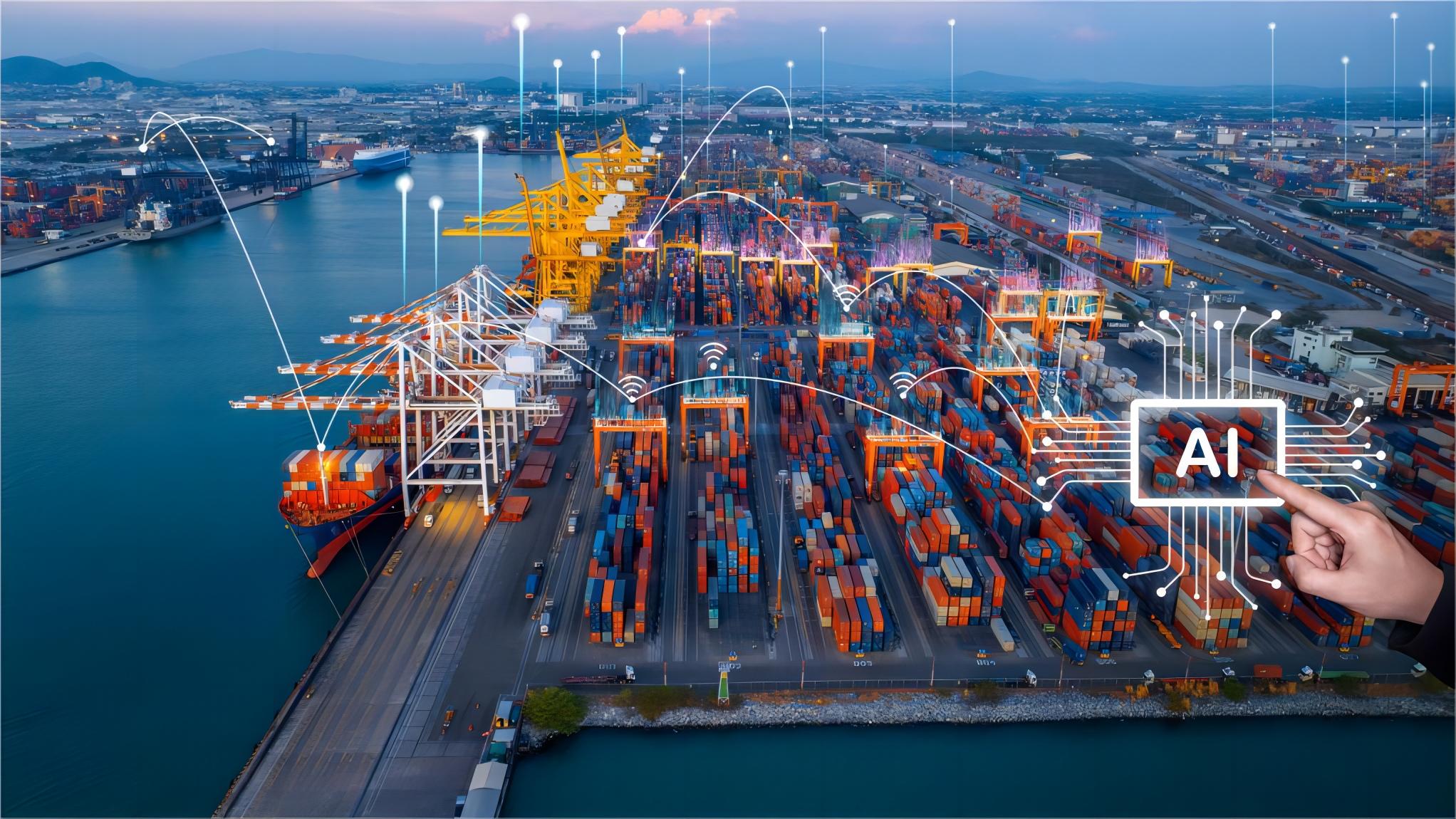
The current year has introduced a new era of technological integration and route optimization within the logistics sector. Consequently, importers are finding that traditional methods must be supplemented with data-driven decision-making to maintain a competitive edge.
Furthermore, the infrastructure developments across major Chinese hubs like Ningbo and Shenzhen have significantly improved cargo handling speeds. These advancements mean that choosing the right partner for china supplier freight forwarding 2026 is more about strategic alignment than just finding the lowest price.
Indeed, market intelligence suggests that businesses prioritizing supply chain visibility are outperforming those relying on legacy systems. Therefore, understanding the nuances of modern transit is vital for any company sourcing goods from the Far East in this decade.
How Does Sea Freight Compare to Other Shipping Options?
Selecting the most appropriate transportation mode is the foundation of a successful import strategy. While sea freight remains the backbone of global trade due to its capacity for bulk cargo, other options offer specific advantages for different needs.
On the other hand, urgent shipments often benefit from the speed of air freight, which bypasses port congestion and reduces inventory holding costs. This trade-off between speed and expense is a primary consideration for logistics managers in 2026.
Additionally, the expansion of the New Silk Road has made rail freight a viable middle-ground for shipments destined for Europe. It provides a faster alternative to the ocean while remaining significantly cheaper than air transport.
| Shipping Method | Cost Range | Transit Time | Best For | Limitations |
|---|---|---|---|---|
| Sea Freight (FCL) | $2,500 – $4,500 | 25-40 Days | Bulk Goods | Slowest Speed |
| Air Freight | $5.00 – $9.00/kg | 3-7 Days | High Value | High Cost |
| Rail Freight | $1,800 – $3,000 | 15-22 Days | Mid-size Cargo | Land Routes Only |
| Express Service | $8.00 – $15.00/kg | 2-4 Days | Small Samples | Weight Limits |
Navigating 2026 Freight Rates and Market Trends
Market data indicates that freight rates in 2026 have reached a point of relative stability following the disruptions of previous years. Nevertheless, seasonal fluctuations still occur, with peak periods in late Q3 seeing price increases of up to twenty percent.
Consequently, savvy importers are locking in long-term contracts with their china supplier freight forwarding 2026 partners to hedge against sudden market shifts. This proactive approach ensures predictable landed costs and more accurate retail pricing strategies.
Moreover, the integration of green energy in shipping has led to new environmental surcharges that must be accounted for in your budget. Understanding these evolving cost structures is essential for maintaining healthy profit margins in the current economic climate.
Realistic 2026 Pricing for Major Global Routes
Estimating your total landed cost requires a detailed breakdown of current market averages across primary shipping lanes. While these figures serve as a benchmark, individual quotes will vary based on specific cargo requirements and carrier availability.
As a result, we recommend requesting a tailored quote at least three weeks before your cargo is ready for pickup. This lead time allows your forwarder to secure space on the most efficient vessels and avoid premium spot-market rates.
Note: Freight rates are subject to change based on fuel costs, carrier capacity, and seasonal demand. Contact us for a current quote tailored to your specific shipment.
| Route | 20GP Container | 40HQ Container | Transit Time |
|---|---|---|---|
| China to USA West | $1,800 – $2,400 | $3,200 – $4,000 | 14-18 Days |
| China to USA East | $2,800 – $3,800 | $4,800 – $6,200 | 30-35 Days |
| China to Europe | $2,100 – $2,900 | $3,500 – $4,800 | 28-35 Days |
| China to Australia | $900 – $1,300 | $1,600 – $2,200 | 12-18 Days |
Essential Customs Documentation and Compliance
Regulatory requirements for international trade have become increasingly stringent as we move through 2026. Therefore, utilizing a professional customs brokerage service is no longer optional for businesses that value compliance and speed.
In addition, digital documentation has become the standard, requiring all commercial invoices and packing lists to be submitted via integrated electronic platforms. Failure to comply with these digital mandates can result in significant delays at the port of entry.
Without a doubt, having a clear understanding of your Harmonized System (HS) codes is the most effective way to prevent customs hold-ups. Incorrect classification remains the leading cause of inspections and additional duties in the china supplier freight forwarding 2026 sector.
Alternative Shipping Strategies and Hybrid Solutions
Innovative logistics managers are increasingly turning to hybrid solutions to balance the demands of cost and speed. For instance, sea-air combinations allow cargo to move by ocean to a regional hub before being flown to the final destination, saving both time and money.
On the other hand, many e-commerce sellers are optimizing their supply chains by using Amazon FBA specialized logistics. This strategy streamlines the process from the Chinese factory directly to the fulfillment center, minimizing middle-mile handling.
Additionally, Less than Container Load (LCL) shipping remains a powerful tool for smaller businesses that do not have the volume for full containers. By consolidating shipments, companies can access the low rates of sea transport without needing to fill a 40-foot box.
Case Study 1: Electronics from Shenzhen to Hamburg
Case Study 1: High-Volume Electronics Distribution. Route: Shenzhen, China to Hamburg, Germany. Cargo: Consumer electronics, 65 CBM, 12,500 kg. Container: 1 x 40HQ. Shipping Details: Major carrier, Port of Loading: Shenzhen, Port of Discharge: Hamburg, Route Type: Direct.
Cost Breakdown: Ocean Freight: $4,100; Origin Charges: $450; Destination Charges: $600; Customs and Duties: $1,200; Total Landed Cost: $6,350. Timeline: Booking to Loading: 4 days; Sea Transit: 32 days; Customs Clearance: 2 days; Total Door-to-Door: 38 days.
Key Insight: By booking four weeks in advance, the client avoided a mid-month GRI (General Rate Increase), saving approximately $500 on the ocean freight portion.
Case Study 2: Apparel from Ningbo to Los Angeles
Case Study 2: Fast-Fashion Seasonal Inventory. Route: Ningbo, China to Los Angeles, USA. Cargo: Cotton apparel, 28 CBM, 8,000 kg. Container: 1 x 20GP. Shipping Details: Premium carrier, Port of Loading: Ningbo, Port of Discharge: Los Angeles, Route Type: Direct.
Cost Breakdown: Ocean Freight: $2,150; Origin Charges: $380; Destination Charges: $520; Customs and Duties: $950; Total Landed Cost: $4,000. Timeline: Booking to Loading: 3 days; Sea Transit: 15 days; Customs Clearance: 1 day; Total Door-to-Door: 19 days.
Key Insight: Utilizing a premium service with a guaranteed berthing slot allowed the importer to meet a strict product launch deadline despite minor port congestion in California.
Which Option Should You Choose? Decision Framework
Determining the best path for your china supplier freight forwarding 2026 needs depends on your primary business objectives. If your priority is budget and you are shipping more than 15 CBM, sea freight FCL is almost always the most economical choice.
Conversely, if you are dealing with perishable goods or high-value items with a short shelf life, air freight is the only logical solution despite the higher cost. Speed in these scenarios directly translates to market share and customer satisfaction.
For those operating in the middle ground, rail freight or LCL sea freight offer excellent flexibility. We suggest evaluating your inventory turnover rates to decide if the longer transit times of ocean shipping are worth the significant cost savings.
Mastering the Future of Global Trade
Succeeding in the realm of china supplier freight forwarding 2026 requires a blend of traditional expertise and modern adaptability. By understanding the various shipping modes and staying informed on market trends, you can build a resilient supply chain.
Furthermore, the importance of accurate documentation and strategic partnerships cannot be overstated in this competitive environment. Taking the time to plan your logistics now will pay dividends in operational efficiency throughout the year.
Ultimately, your choice of freight forwarder will define your ability to navigate the complexities of international commerce. Choose a partner that offers transparency, reliability, and the technological tools necessary for 2026 and beyond.