


Bulk Cargo Shipping China: Container Logistics Guide 2026
“Navigating the complexities of bulk cargo shipping China container logistics requires precision, strategic planning, and reliable partners. Whether you are scaling your business or optimizing existing distribution, Kom Pass Freight provides the expertise needed to manage your supply chain effectively at kompassfreight.com/. As international trade dynamics evolve in 2026, understanding the nuances of freight management is essential for maintaining a competitive edge.”
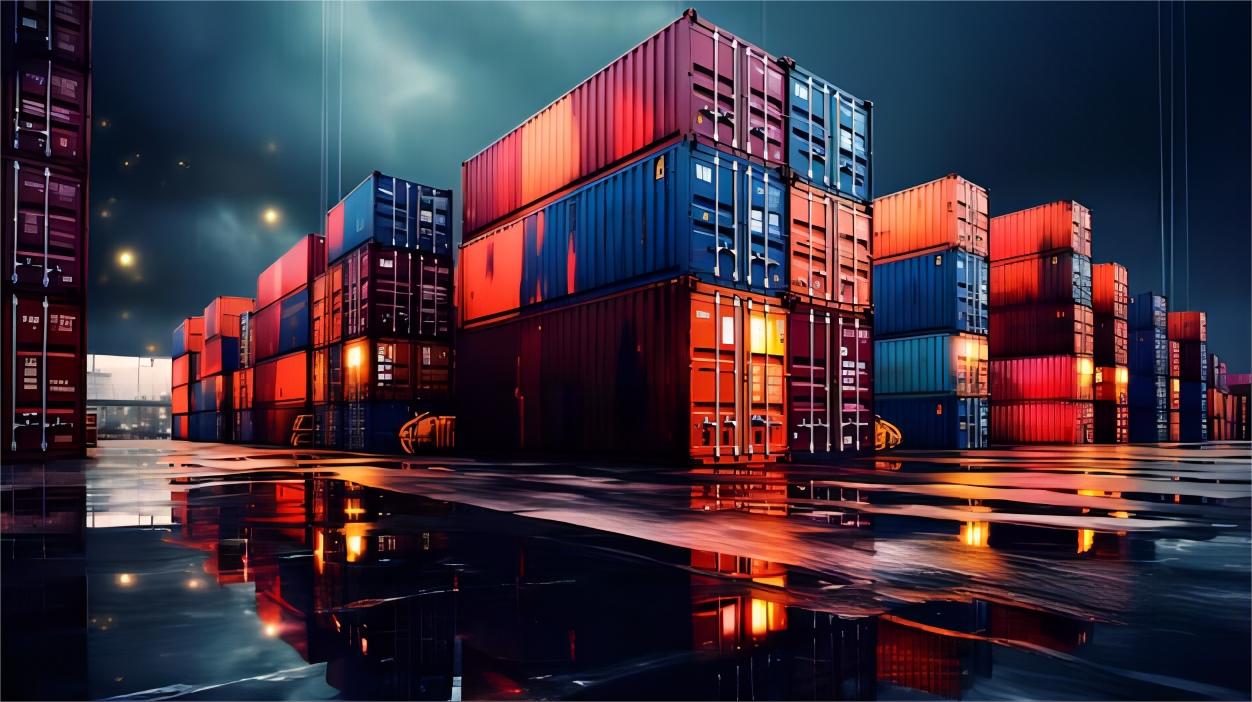
Understanding Bulk Cargo Shipping China Container Logistics
❖Bulk cargo shipping refers to the transportation of large quantities of goods, often consolidated into containers to ensure safety and efficiency. In the context of China, this involves sophisticated port infrastructure and complex regulatory frameworks.
Successful logistics management depends on selecting the right carrier and route. Companies must analyze transit times and freight rates to ensure their cargo moves without unnecessary delays. Furthermore, leveraging professional sea freight services can significantly optimize your shipping budget.
Additionally, businesses often utilize door to door delivery solutions to minimize handling risks. By integrating these services, you ensure a seamless transition from factory floor to final destination.
How Does Container Shipping Compare to Other Methods?
❖Choosing the right transport mode is a critical decision for any importer. While ocean freight remains the backbone of global trade, other options provide necessary flexibility depending on time sensitivity and cargo volume.
For instance, if your goods require rapid delivery, air freight is the superior choice despite the higher cost. Conversely, for shipments moving across Eurasia, rail freight offers a middle-ground solution that balances speed and affordability.
Ultimately, your decision should align with your specific delivery schedule and budget constraints. Review the table below for a side-by-side comparison of these common shipping methods.
| Method | Cost | Transit Time | Best For |
|---|---|---|---|
| Sea Freight | Low | 28-40 Days | Bulk/Large Volume |
| Air Freight | High | 5-7 Days | Urgent/High Value |
| Rail Freight | Moderate | 15-20 Days | Mid-Volume/Eurasia |
Optimizing Your Supply Chain and Customs Clearance
❖Effective supply chain management requires proactive planning. You must stay informed about current logistics trends and potential port congestion, which can impact your delivery schedule significantly.
Moreover, professional customs brokerage is vital to prevent costly delays at border crossings. Ensuring all documentation is accurate and compliant with international standards will save you both time and money.
Lastly, consider using Amazon FBA services if you are shipping directly to fulfillment centers. This strategy streamlines your inventory management and enhances overall operational efficiency.

Real World Case Studies
❖Case Study 1: Electronics shipment from Shenzhen to Los Angeles. The client moved 50 CBM of cargo via sea freight. By selecting a direct route, they achieved a total landed cost of $4,500 with a 22-day transit time.
Case Study 2: Industrial machinery from Shanghai to Hamburg. The client utilized rail freight for a 40HQ container. This approach reduced transit time to 18 days, costing $5,200, which was perfect for their project deadline.
Summary of Bulk Cargo Shipping Success
Mastering bulk cargo shipping China container logistics is a continuous process of refinement and strategic selection. By balancing cost, speed, and reliability, companies can effectively manage their international trade operations.
Remember that market conditions in 2026 remain dynamic. Therefore, working with experienced logistics partners ensures you remain ahead of industry shifts and supply chain challenges.
In conclusion, prioritize efficiency and compliance to guarantee that your shipments arrive safely and on time.
Ready to streamline your logistics?
Ready to optimize your bulk cargo shipping China container logistics? Contact our expert team today for a tailored quote and professional guidance. Visit https://kompassfreight.com/ to start your journey.
Request Quote