

Dropshipping Logistics China 2026: The Strategic Guide
Succeeding in the global marketplace requires a deep understanding of dropshipping logistics China 2026 to ensure your products reach customers efficiently. As consumer demand for rapid delivery increases, businesses must leverage sophisticated supply chain strategies to remain profitable. You can streamline your operations by partnering with Kom Pass Freight for seamless end-to-end solutions.
The Evolution of Dropshipping Logistics China 2026
Navigating the complexities of international trade has become more demanding as we approach 2026. Consequently, shippers are moving away from traditional models toward more agile, data-driven systems.
Furthermore, the integration of artificial intelligence in warehouse management has significantly reduced processing times for small parcels. This evolution allows sellers to offer faster shipping options without drastically increasing overhead costs.
Moreover, the shift toward sustainable packaging and carbon-neutral shipping is no longer optional for brands targeting Western markets. Therefore, choosing a partner that understands these regulatory changes is essential for long-term growth.
How Does Dropshipping Logistics Compare to Other Shipping Options?
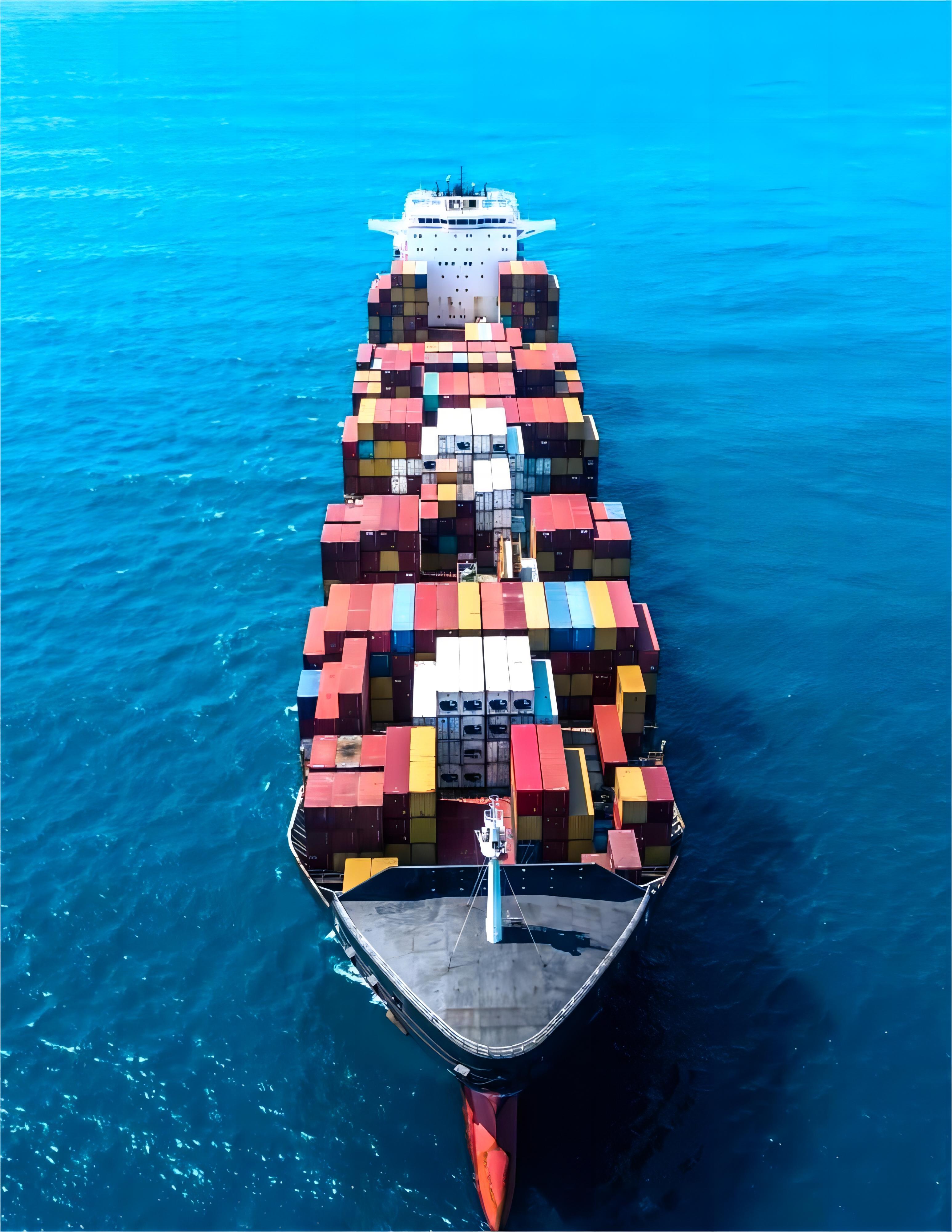
Comparing various transport methods is crucial for balancing speed and cost in your business model. While sea freight remains the standard for bulk inventory, dropshipping often requires more flexible solutions.
However, for businesses moving high volumes of stock to regional hubs, sea freight offers the lowest per-unit cost. This method is particularly effective for heavy or bulky items that do not require immediate delivery.
In contrast, air transport provides the speed necessary for high-value electronics or trendy fashion items. Specifically, air freight transit times are significantly shorter, though the costs are considerably higher than maritime options.
| Method | Cost Range | Transit Time | Best For |
|---|---|---|---|
| Sea Freight | 1,800 – 4,200 USD | 25 – 45 Days | Bulk Inventory |
| Air Freight | 5.50 – 12.00 USD/kg | 5 – 10 Days | High Value Goods |
| Express Service | 8.00 – 18.00 USD/kg | 3 – 7 Days | Urgent Samples |
| Rail Freight | 1,200 – 3,000 USD | 18 – 25 Days | Europe Mid-size |
Key Factors Influencing International Shipping Rates
Understanding the variables that drive freight costs helps in accurate budgeting and pricing strategies. Fuel surcharges and seasonal demand spikes are the most common factors that cause price fluctuations.
Additionally, port congestion and labor availability can impact the total landed cost of your products. To mitigate these risks, many sellers are now diversifying their shipping routes and using multiple ports of entry.
Therefore, maintaining a flexible approach to logistics allows you to pivot when market conditions change unexpectedly. Indeed, businesses that monitor these trends closely often achieve better profit margins.
Managing Transit Times for Dropshipping Logistics China 2026
Managing customer expectations regarding delivery schedules is a cornerstone of e-commerce success. Specifically, transit time optimization involves selecting the right carrier and service level for each destination.
When speed is the primary concern, utilizing air freight allows for delivery within a few business days. This is often the preferred choice for premium dropshipping brands that prioritize customer satisfaction.
To illustrate the differences, consider that a shipment to the USA West Coast might take 15 days via sea but only 5 days via air. Consequently, the choice depends on your specific product margins and customer urgency.
| Route | Sea Transit | Air Transit | Express Transit |
|---|---|---|---|
| China to USA West | 14-18 Days | 4-6 Days | 3-5 Days |
| China to Europe | 28-35 Days | 5-7 Days | 4-6 Days |
| China to Australia | 12-18 Days | 3-5 Days | 2-4 Days |
| China to USA East | 30-35 Days | 5-8 Days | 4-7 Days |
The Critical Role of Customs Brokerage and Compliance
Although many sellers overlook it, customs documentation is a major cause of delivery delays. Navigating complex regulations is much easier when you employ a professional customs brokerage service.
Despite the costs, hiring experts ensures that your HTS codes are correct and duties are calculated accurately. This prevents shipments from being held at the border, which can lead to significant storage fees.
While digital customs platforms are becoming more common, human expertise remains vital for solving unexpected issues. Accordingly, a reliable broker acts as a safeguard for your international supply chain.
Optimizing Your Supply Chain for 2026 Trends
Many sellers looking to automate their fulfillment often choose Amazon FBA to handle storage and shipping. This strategy allows you to leverage a global infrastructure to reach customers faster.
Efficient inventory management systems are now integrating directly with Chinese suppliers to trigger automatic reorders. Consequently, this reduces the risk of stockouts during peak shopping seasons like Black Friday.
Professional logistics providers also offer value-added services such as kitting, labeling, and quality inspections. As a result, you can ensure that every product meets your brand standards before it reaches the final customer.
Real-World Logistics Scenarios and Case Studies
High-performing e-commerce stores often use a mix of shipping methods based on real-world data. To demonstrate this, we have compiled examples of successful shipments from recent months.
Case Study 1: Electronics to North America. Route: Shenzhen, China to Los Angeles, USA. Cargo: Gaming Keyboards, 4 CBM, 800 kg. Container: LCL. Shipping Details: Major carrier, Port of Loading: Shenzhen, Port of Discharge: Los Angeles. Cost Breakdown: Ocean Freight: 950 USD, Origin Charges: 200 USD, Destination Charges: 300 USD, Customs: 150 USD. Total Landed Cost: 1,600 USD. Timeline: Booking to Loading: 3 days, Sea Transit: 16 days, Customs Clearance: 3 days. Total Door-to-Door: 22 days. Key Insight: Consolidating small electronics via LCL saved 40 percent compared to air freight while meeting the 25-day delivery target.
Case Study 2: Apparel to Europe. Route: Shanghai, China to Rotterdam, Netherlands. Cargo: Seasonal Fashion, 28 CBM, 4500 kg. Container: 20GP. Shipping Details: COSCO, Port of Loading: Shanghai, Port of Discharge: Rotterdam. Cost Breakdown: Ocean Freight: 2,100 USD, Origin Charges: 350 USD, Destination Charges: 450 USD, Customs: 500 USD. Total Landed Cost: 3,400 USD. Timeline: Booking to Loading: 5 days, Sea Transit: 32 days, Customs Clearance: 4 days. Total Door-to-Door: 41 days. Key Insight: Booking 4 weeks in advance secured a rate 15 percent below market average during the Q3 peak season.
Note: Freight rates are subject to change based on fuel costs, carrier capacity, and seasonal demand. Contact us for a current quote tailored to your specific shipment.

Technological Innovations in Dropshipping Logistics China 2026
Future supply chains will rely heavily on blockchain technology for transparent tracking and secure documentation. This innovation ensures that every stakeholder in the logistics chain has access to real-time data.
Technology such as automated drone delivery for the last mile is also being tested in major urban centers. Moreover, predictive analytics help shippers anticipate delays and reroute cargo before issues arise.
Using these tools effectively requires a logistics partner that stays at the forefront of digital transformation. Therefore, investing in technology is just as important as investing in physical infrastructure.
Which Shipping Option Should You Choose for Your Business?
Implementing a decision framework helps you select the best shipping method for every scenario. Specifically, if your budget is the priority and you have a high volume, sea freight is the logical choice.
Logistics strategies focused on speed should prioritize express service for small parcels or air freight for larger shipments. This ensures that you can capitalize on short-lived market trends and maintain high customer ratings.
Shippers must also consider the nature of their cargo, as hazardous materials or oversized items have specific restrictions. Finally, a hybrid approach that uses different methods for different regions often yields the best balance of cost and performance.
Mastering the Future of Global Trade
To summarize, staying competitive in the e-commerce landscape requires a proactive approach to dropshipping logistics China 2026. By understanding the nuances of shipping methods, customs compliance, and technological trends, you can build a resilient supply chain.
Reliable logistics partners provide the foundation for scaling your business across international borders. As we move into 2026, the ability to adapt to changing market conditions will distinguish successful brands from their competitors.
Ready to streamline your logistics?
Take control of your dropshipping logistics China 2026 strategy today by requesting a personalized quote. Visit our contact page to speak with an expert and optimize your international shipping costs. Send Inquiry: https://kompassfreight.com/contact/
Request Quote