

Fast Delivery China Canada Freight: 2026 Operational Guide
Key Procurement Takeaways
- A standard 40HQ container provides approximately 65–70 CBM of usable space for palletized general cargo.
- Air freight chargeable weight is calculated as the higher of actual weight or volumetric weight (CBM × 167).
- Import Security Filing (ISF) must be submitted at least 24 hours prior to vessel loading at the port of origin.
- Standard door-to-door transit for ocean freight ranges from 22 to 35 days depending on the specific Canadian port of entry.
- Always verify if your quote includes destination CFS fees, which can add USD 200–500 per LCL shipment.
What Should Buyers Know First About Fast Delivery China Canada Freight?
Buyers must first recognize that ‘fast delivery’ is highly dependent on carrier selection and the specific choice of port pairs along the China-Canada trade lane.
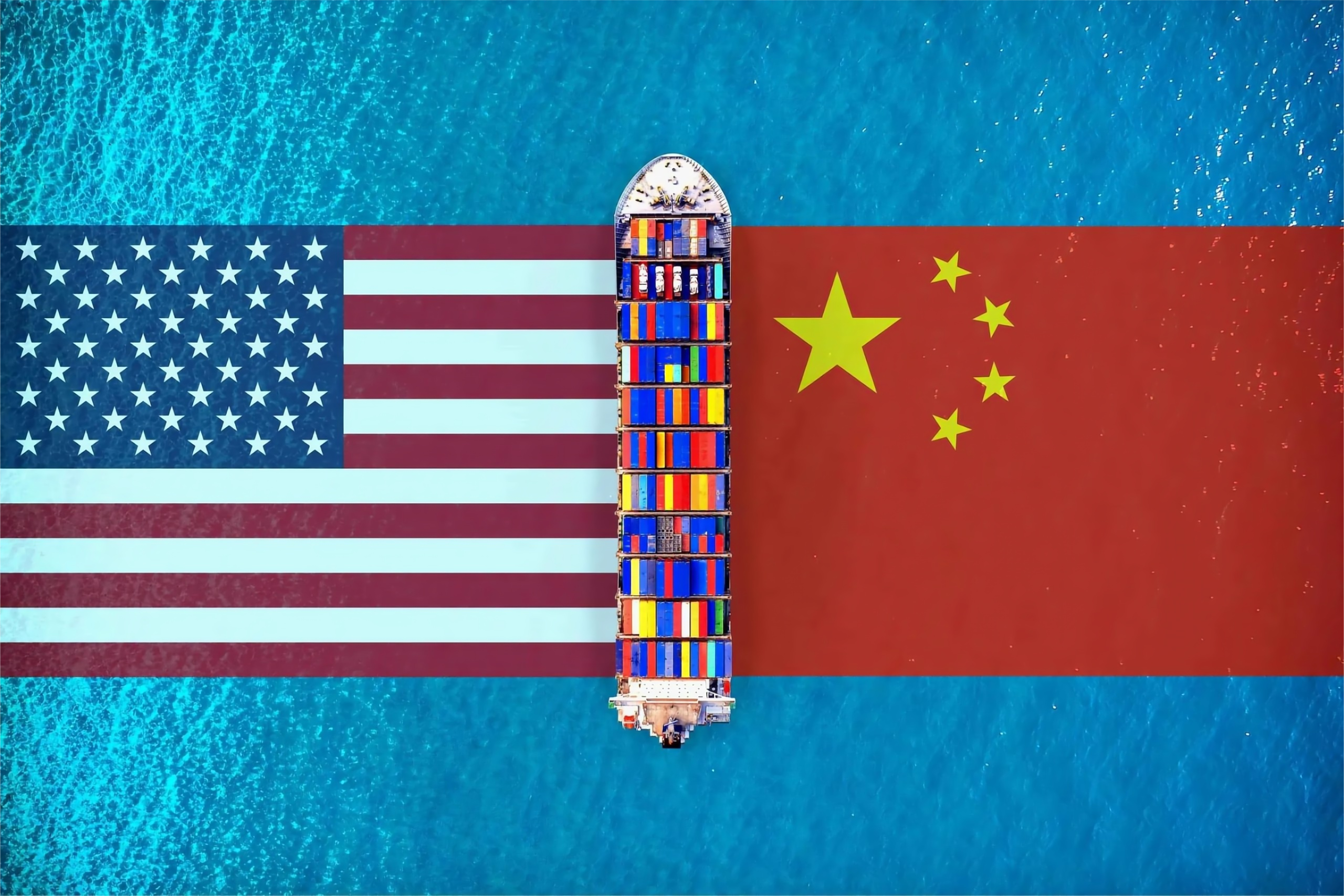
Effective planning starts with a firm cargo-ready date, as this dictates the available shipping windows and carrier space allocations.
For those seeking reliable timelines, reviewing door to door options often provides the most visibility into the entire supply chain journey.
How Do Routing and Gateway Choices Affect This Lane?
The choice of gateway, such as the Port of Vancouver for Pacific access or air hubs like Shanghai Pudong (PVG) to Toronto (YYZ), fundamentally alters your transit time and cost profile.
Routing via West Coast ports typically offers shorter ocean transit but requires efficient rail or truck connections to reach inland Canadian destinations.
Careful coordination ensures that your freight does not get bottlenecked at major transshipment points during peak trading periods.
Cost vs Speed: Decision Rules for Fast Delivery China Canada Freight Shipments
Balancing cost and speed requires a strategic assessment of your cargo volume and the urgency of your inventory requirements.
High-value, time-sensitive goods are best served by air freight, whereas standard replenishment benefits from the economies of scale offered by ocean transport.
Ultimately, the decision rule rests on the ‘cost of stockout’ versus the ‘cost of shipping’ premium.
Illustrative Shipment Snapshots
Key metrics only — labeled illustrative scenarios for this corridor.
Electronics Distributor: Shanghai to Toronto
A distributor required urgent component replenishment for a production line. By utilizing air freight from Shanghai to Toronto, the shipment of 500kg was delivered in 5 days, avoiding a costly factory shutdown.
Retailer: Ningbo to Vancouver
A seasonal retailer needed to move 65 CBM of inventory. We utilized a 40HQ container via FCL, securing space before the peak season surcharge hit, resulting in a consistent cost per unit.
What Transit Timeline Should You Expect?
Expect a total door-to-door lead time of 22 to 35 days for standard ocean shipments, while air freight typically completes the journey in under one week.
These timelines account for origin processing, mainhaul transit, and destination customs clearance.
It is essential to allow for buffer room, particularly when coordinating shipments that require multiple customs brokerage clearances.
| Route Leg | Mainhaul Transit | Customs & Dwell | Total Lead Time |
|---|---|---|---|
| Standard Ocean | 18-25 Days | 4-10 Days | 22-35 Days |
| Peak Season Ocean | 25-35 Days | 7-14 Days | 32-49 Days |
| Standard Air | 1-3 Days | 2-4 Days | 3-7 Days |
How Are Landed Costs Typically Built?
Landed costs are constructed by aggregating the base freight rate, terminal handling charges, inland haulage, and applicable duties or taxes.
Understanding this breakdown is critical for maintaining healthy profit margins when importing from China.
Utilizing sea freight for larger volumes remains the most effective way to lower the per-unit landed cost.
CFS handling, storage, and non-stackable fees can eclipse the base LCL rate when marks, free dwell, and pallet density are not locked before cargo-ready. Requesting a transparent, fully itemized breakdown prevents unexpected port holds and destination invoice shocks.
Which Documents and Compliance Checks Apply?
Mandatory documentation includes the Commercial Invoice, Packing List, and the transport document, which is the Bill of Lading for ocean or the Air Waybill for air.
Compliance checks involve validating HS codes to ensure accurate duty assessment and meeting Canadian import requirements.
Failure to accurately document your shipment can lead to significant delays at customs, potentially negating any speed advantages gained during transit.
How Do Peak Seasons Affect Capacity and Pricing?
Peak seasons, such as the pre-Lunar New Year rush or the lead-up to the Q4 holiday season, invariably lead to tighter capacity and higher freight rates.
Shippers should anticipate increased booking lead times during these months and adjust their production schedules accordingly.
Proactive planning and securing space in advance are the primary defenses against capacity-driven disruptions.
What Is the Step-by-Step Process from Quote to Delivery?
The process begins with a detailed shipment profile capture, followed by mode selection and rigorous documentation alignment.
Once booked, the focus shifts to milestone tracking and managing potential exceptions during mainhaul transit.
The final phase involves destination customs release and final-mile delivery to your specified location.
Decision Framework
Capture CBM/kg first; under ~2 CBM often fits express/air, mid volumes need LCL/FCL comparison, and oversized lots require dedicated equipment quotes.
Urgent windows under ~7 days favor air/express; standard replenishment can use ocean or multimodal once cargo-ready timing is locked.
Flag DG, temperature-control, or oversized handling before award—these change both documentation and carrier acceptance paths.
Execution Checklist for Fast Delivery China Canada Freight
Treat Fast Delivery China Canada Freight as a scoped booking problem: profile, mode, compliance, then space.
Keep fee exclusions and cut-offs written before award to avoid post-arrival surprises on Fast Delivery China Canada Freight.
Standard Operating Logistics Workflow
Shipment Profile Capture
Confirm cargo-ready date, CBM/weight, commodity, HS code, and Incoterms.
Mode & Service Scope Selection
Compare air / LCL / FCL (or specialty) against transit and landed-cost targets.
Documentation & Compliance Gate
Align commercial invoice, packing list, and any specialty filings before booking.
Space Booking & Cut-off Lock
Reserve carrier/co-loader space and confirm export cut-off windows in writing.
Mainhaul & Milestone Tracking
Monitor departure, arrival, and exception alerts against the awarded transit plan.
Destination Release & Delivery
Clear destination formalities and complete final-mile delivery to the agreed door.
Need a Customized Quote?
Ready for a scoped proposal on Fast Delivery China Canada Freight? Share origin/destination, cargo-ready date, CBM/weight, commodity, and Incoterms.
Get Instant Quote