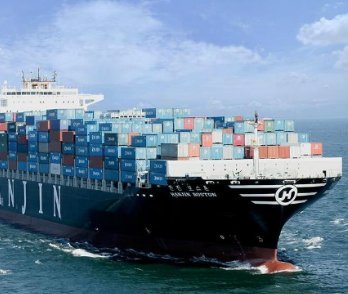
At Kompass Freight, we ensure a smooth and efficient shipping experience from China to Saudi Arabia. Whether you need ocean shipping or air freight, we specialize in delivering your goods with precision, efficiency, and competitive rates. Trust us to manage all your shipping needs, guaranteeing safe and timely deliveries to Saudi Arabia.
Kompass Freight offers reliable and cost-effective sea freight services from China to Saudi Arabia. Our team ensures timely delivery while managing the entire shipping process with precision and care. With our strong network and logistics expertise, we provide tailored sea freight solutions to meet your specific requirements.

For quicker delivery, Kompass Freight offers efficient air freight solutions from China to Saudi Arabia. We prioritize speed while offering competitive rates to ensure your cargo arrives promptly and securely. Our experienced team manages the entire transportation process, ensuring reliability and efficiency from start to finish.

Kompass Freight offers seamless door-to-door shipping from China to Saudi Arabia. We handle every detail, from factory pickup to final delivery, ensuring a hassle-free experience. Our dedicated team guarantees reliable and timely transportation for both personal and business shipments, with smooth customs clearance at every stage.

Kompass Freight specializes in Full Container Load (FCL) shipping from China to Saudi Arabia. Whether you’re shipping large volumes or heavy cargo, we provide tailored solutions for secure and timely deliveries. Our team manages the entire process, from container loading to customs clearance, ensuring an efficient and smooth shipping experience.
As specialists in Less-than-Container Load (LCL) shipping, Kompass Freight offers flexible, cost-effective solutions from China to Saudi Arabia. Our LCL services consolidate smaller shipments into a single container, optimizing costs while ensuring safe and timely delivery. We manage all logistics, including customs clearance, for a seamless and hassle-free shipping experience.
Kompass Freight delivers highly efficient pickup solutions across China, ensuring minimal fuel consumption and optimized logistics performance for every shipment.
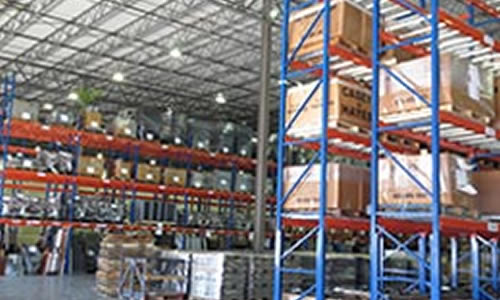
We offer complimentary warehousing solutions for all types of goods, ensuring secure and flexible storage at no additional cost.
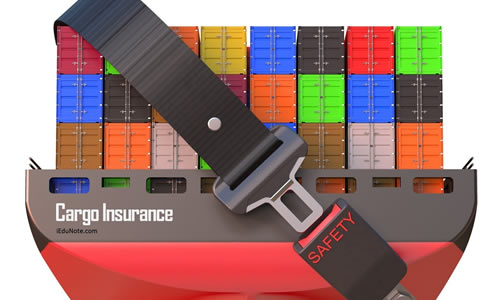
Our cargo insurance ensures your shipment remains fully protected throughout its journey to any FBA warehouse.

We take care of all documentation and logistical details on your behalf.
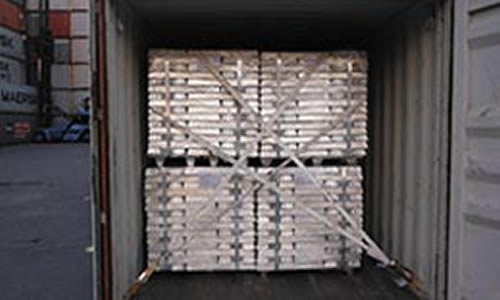
We guarantee secure packaging and proper loading of your goods directly at your supplier’s facility.
Choose Kompass Freight for unbeatable freight solutions from China to Saudi Arabia. With our vast network and strategic partnerships, we offer competitive rates and exceptional service. Whether you need ocean freight, air freight, or door-to-door delivery, we tailor our solutions to meet your specific needs. Our team ensures the safe, timely, and cost-effective transportation of your cargo, with 24/7 support and expert guidance every step of the way.
Shipping times from China to Saudi Arabia can be influenced by several factors including the mode of transport (air vs. sea), route taken, customs processing times, and weather conditions. Air freight is faster but more costly, while sea freight is cheaper but slower. Efficient customs clearance and good weather can help minimize delays.
Air freight is faster, typically taking 5 to 7 days, but is more expensive. Sea freight, on the other hand, takes 20 to 30 days but is more cost-effective for larger shipments. The choice depends on the urgency of delivery and budget constraints.
Customs clearance can significantly impact shipping times. Delays in documentation or inspections can extend the shipping duration. Ensuring accurate and complete paperwork can help expedite the process and avoid additional delays.
Common ports in China include Shanghai, Shenzhen, and Guangzhou. In Saudi Arabia, the main ports are Jeddah Islamic Port, King Abdulaziz Port in Dammam, and King Fahd Industrial Port. Choosing the right port can affect shipping efficiency.
Shipments can be tracked using tracking numbers provided by your freight forwarder or carrier. Many companies offer online tracking systems that provide real-time updates on the location and status of your shipment.
Essential documents include the commercial invoice, packing list, bill of lading or air waybill, and any required certificates (e.g., certificate of origin). Accurate documentation is crucial for smooth customs clearance and delivery.
Yes, Saudi Arabia has specific regulations regarding imports, including restrictions on certain goods, requirements for documentation, and compliance with local standards. It’s important to familiarize yourself with these regulations to ensure compliance and avoid issues.
If delays occur, contact your freight forwarder or carrier for updates. Ensure all documentation is accurate and complete, and consider using expedited shipping options if delays are significant. Regular communication helps in managing and resolving issues efficiently.
Costs can include freight charges, insurance, customs duties, and handling fees. Air freight is generally more expensive than sea freight. Additional factors like shipment size, weight, and value also impact the overall cost.
Yes, insuring your shipment is advisable to protect against risks such as loss, theft, or damage. Ensure you obtain adequate insurance coverage based on the value and nature of your goods, and verify the terms and conditions of the insurance policy.
Kompass Freight provided an outstanding experience! Our shipment from China to Belgium arrived on time, and the sea freight service was both reliable and cost-effective. The team also handled customs clearance and VAT documentation seamlessly. Highly recommended!
Operations deal with the way shipments are managed, including the procedures established for handling cargo, scheduling deliveries, and ensuring compliance with industry standards. In the logistics industry, operations and control of resources can be either centralized within a company or coordinated across multiple partners and countries.

Operations deal with the way the vehicles are operated, and the procedures set for this purpose, and policies. In the transport industry, operat ions and ownership of infrastructure can be either country.