

China logistics company global USA: The Complete 2025 Shipping Guide
Selecting a reliable china logistics company global usa is the most critical decision for businesses importing goods into the American market. Many importers struggle with rising shipping costs, complex customs regulations, and unpredictable transit times that threaten their profit margins. Consequently, finding a partner that offers transparency and efficiency is essential for maintaining a competitive edge in today’s fast-paced global economy. This guide provides a comprehensive overview of how to navigate the complexities of international shipping while ensuring your cargo arrives safely and on schedule.

What Makes a China Logistics Company Global USA Essential for Your Business?
International trade relies heavily on the seamless movement of goods across borders, especially between the world’s two largest economies. Furthermore, a professional logistics provider acts as the bridge between Chinese manufacturers and American consumers, handling everything from pickup to final delivery. Without expert guidance, companies often face significant delays at ports or unexpected fees that can derail their entire supply chain strategy.
Reliability in logistics translates directly to customer satisfaction and improved cash flow for your business operations. Additionally, an experienced partner understands the nuances of both Chinese export laws and United States import requirements, which minimizes the risk of legal complications. Indeed, the right logistics strategy can turn a complex shipping process into a major competitive advantage for your brand.
Moreover, the ability to track shipments in real-time provides peace of mind and allows for better inventory management. Consequently, businesses can reduce the amount of capital tied up in safety stock by relying on more predictable delivery schedules. Modern logistics companies utilize advanced technology to offer full visibility into the movement of your cargo from the factory floor to the warehouse door.
How to Choose the Right China Logistics Company Global USA?
Evaluating potential partners requires a deep look into their service offerings, network reach, and historical performance metrics. For instance, you should verify whether the company has established relationships with major ocean carriers and airlines to ensure space availability during peak seasons. Meanwhile, checking for industry certifications and licenses can help you avoid fraudulent or incompetent operators who might put your cargo at risk.
Communication serves as the foundation of any successful partnership in the international shipping industry. Therefore, you should prioritize companies that offer 24/7 support and have English-speaking representatives who understand your specific business needs. Nevertheless, cost remains a significant factor, but it should never be the only criteria when selecting a provider for your high-value shipments.
In addition, consider the range of value-added services offered, such as cargo insurance, labeling, and quality inspections. These services can save you time and money by addressing potential issues before the goods leave China. Ultimately, a long-term partnership with a trusted logistics expert will provide more value than constantly switching providers just to save a few dollars on freight rates.
What are the Primary Shipping Methods for China to USA Routes?
Air freight remains the fastest way to move goods across the Pacific, making it ideal for high-value or time-sensitive products. If you have urgent deadlines, consider using air freight to get your inventory to the USA in as little as 3 to 7 days. However, this speed comes at a higher price point compared to ocean transport, which requires careful budget planning.
Standard sea transport is the most cost-effective solution for large volumes of cargo that do not require immediate delivery. Most businesses utilize this method for bulk commodities, electronics, and consumer goods that can withstand longer transit times. As a result, ocean freight is the backbone of global trade, carrying over 90 percent of the world’s manufactured goods.
Express courier services provide a door-to-door solution that is perfect for small parcels and samples. These services include customs clearance and final mile delivery, offering a hassle-free experience for smaller shipments. For larger commercial shipments, however, traditional freight forwarding methods usually offer better rates and more flexibility.
| Shipping Method | Average Transit Time | Cost Level | Best For |
|---|---|---|---|
| Air Freight | 3-7 Days | High | Electronics, Urgent Stock |
| Sea Freight (FCL) | 18-35 Days | Low | Large Volume, Heavy Goods |
| Sea Freight (LCL) | 25-40 Days | Medium | Small Pallets, Samples |
| Express Service | 2-5 Days | Very High | Documents, Small Parcels |
How Does Sea Freight Compare to Other Shipping Options?
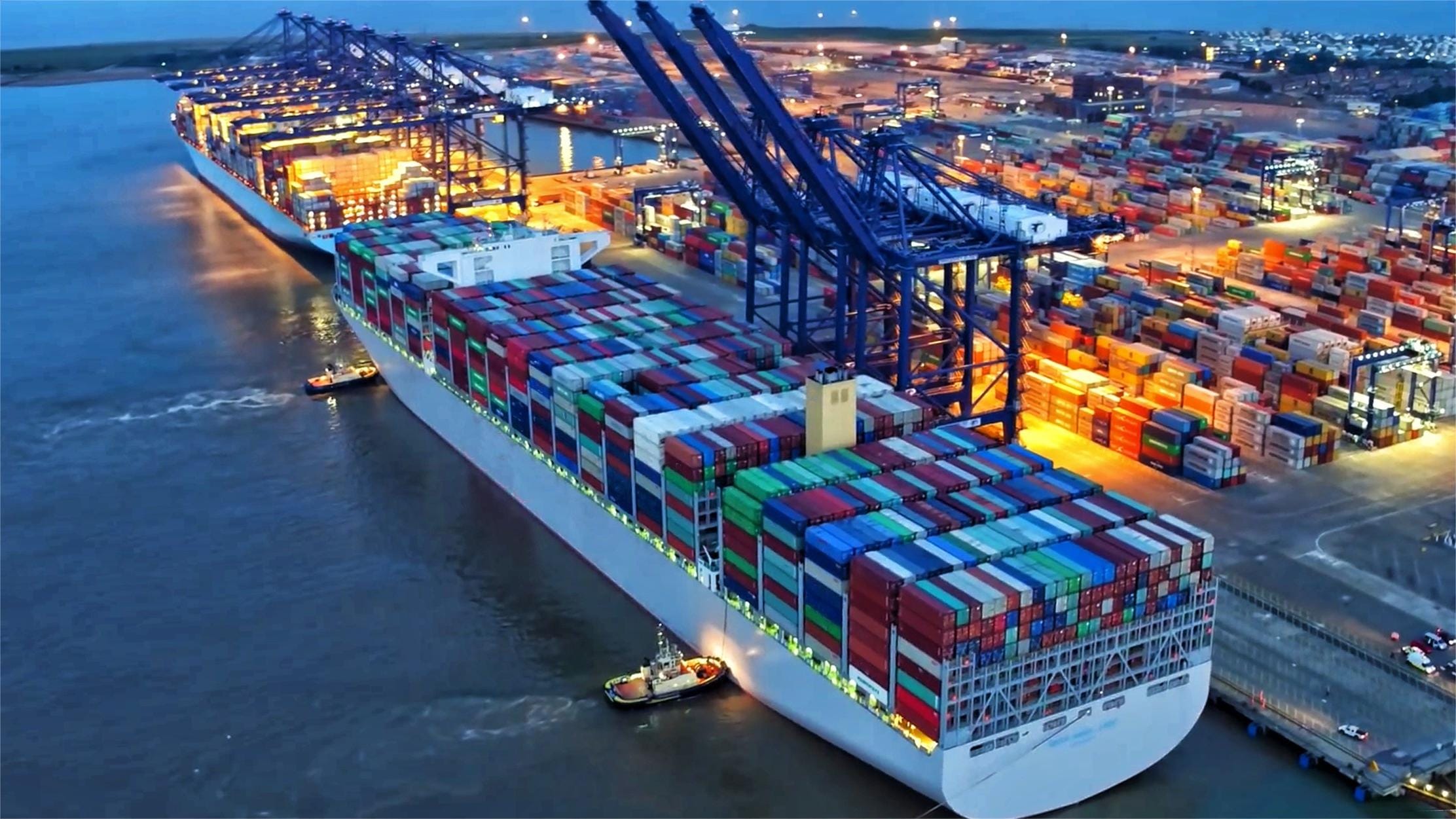
While sea freight costs $2,000-3,500 for a 40HQ, air freight for the same volume would cost $15,000-25,000 but arrives in 5-7 days instead of 30-40 days. Choosing sea freight allows businesses to ship massive quantities of goods at a fraction of the cost of other methods. On the other hand, the longer transit time means you must plan your inventory cycles much further in advance.
For shipments under 15 CBM, LCL at $50-80/CBM may be more economical than a full container. This flexibility allows smaller businesses to participate in global trade without needing to fill an entire 20-foot or 40-foot container. Direct routes cost 10-15% more but save 5-7 days compared to transshipment via Singapore or Port Klang, which is a vital consideration for time-sensitive cargo.
According to industry benchmarks, sea freight is also more environmentally friendly than air transport, producing significantly lower carbon emissions per ton of cargo. Consequently, companies with strong sustainability goals often prefer ocean transport for their primary supply chain needs. Despite the slower pace, the cost savings and capacity of sea freight make it the preferred choice for the majority of China-USA trade.
| Shipping Method | Cost Range | Transit Time | Limitations |
|---|---|---|---|
| Sea Freight | $1,500 – $6,000 | 14-40 Days | Slow, Port Congestion |
| Air Freight | $5 – $12 per kg | 3-7 Days | Expensive, Weight Limits |
| Express | $8 – $15 per kg | 2-5 Days | High Cost for Bulk |
Which Option Should You Choose? Decision Framework
Budget priority typically leads importers toward ocean freight solutions, specifically Full Container Load (FCL) options for maximum efficiency. If your primary goal is to minimize the landed cost of your products, sea transport is almost always the correct choice. To ensure a smooth process, many businesses opt for door to door services that handle every step of the journey.
Speed priority requires a shift toward air freight or expedited ocean services offered by premium carriers. If you are launching a new product or responding to a sudden surge in demand, the extra cost of air transport is often justified by the potential for increased sales. In contrast, seasonal goods like holiday decorations should be shipped via sea months in advance to avoid high air freight premiums.
Cargo type considerations also play a major role in your final decision. Fragile or perishable items may require the stability and speed of air transport, while heavy machinery and raw materials are better suited for ocean vessels. Always consult with your logistics partner to determine the safest and most efficient method for your specific commodity type.
What Documents Do You Need for Customs Clearance in the USA?
Navigating the legal requirements of US Customs and Border Protection (CBP) is one of the most challenging aspects of international shipping. Utilizing a professional customs brokerage service can prevent your goods from being seized or delayed due to paperwork errors. Without a doubt, having the correct documentation is the only way to ensure a legal and smooth entry into the United States.
Essential documents include the Commercial Invoice, Packing List, and Bill of Lading, which provide details about the value, weight, and origin of the goods. Furthermore, certain products may require specialized permits or certificates, such as FDA approval for food items or EPA certifications for electronics. Failure to provide these documents can result in heavy fines and the destruction of your cargo.
Indeed, many importers choose to purchase a continuous customs bond to simplify the entry process for multiple shipments throughout the year. This bond acts as a guarantee to the US government that all duties and taxes will be paid on time. Working with an expert who understands the latest tariff codes and trade regulations is vital for minimizing your total tax liability.

How to Handle Amazon FBA Shipping from China?
Selling on the world’s largest e-commerce platform requires a specific set of logistics skills and adherence to strict warehouse requirements. Specialized Amazon FBA shipping services ensure that your products are labeled and packaged according to Amazon’s exact standards. Consequently, you can avoid the frustration of having your inventory rejected at the fulfillment center loading dock.
Many logistics providers offer prep services in China, which are often more cost-effective than doing the work in the United States. These services include palletization, barcode application, and quality control checks before the goods are shipped across the ocean. As a result, you can maintain high seller ratings by ensuring that only perfect products reach your customers.
Moreover, choosing a provider with experience in FBA shipping means they understand the specific appointments and delivery windows required by Amazon. This expertise reduces the likelihood of storage fees and ensures that your stock is available for sale as quickly as possible. For many entrepreneurs, outsourcing this complexity is the key to scaling their online business successfully.
What are the Current Market Trends for China to USA Shipping in 2025?
As of Q1 2025, freight rates from China to the USA have stabilized following the volatility seen in previous years. However, port congestion and labor negotiations continue to be factors that importers must monitor closely to avoid disruptions. Rates typically increase 15-25% during the August-October peak season as retailers prepare for the holiday shopping rush.
Market data suggests that digital transformation is the biggest trend currently affecting the logistics industry. More companies are moving toward automated booking platforms and AI-driven route optimization to reduce costs and improve transit times. Additionally, there is a growing emphasis on green logistics, with carriers investing in LNG-powered vessels to meet new environmental regulations.
Typical rates as of early 2025 show that shipping a 40HQ container from Shenzhen to the West Coast costs between $2,800 and $3,800. Meanwhile, shipping to the East Coast remains more expensive, with rates ranging from $4,500 to $6,000 due to the longer distance and canal fees. Staying informed about these trends allows businesses to adjust their pricing and inventory strategies proactively.
Real Case Studies: Shipping Success Stories
Case Study 1: Electronics from Shenzhen to Los Angeles. A tech startup needed to move 45 CBM of high-end headphones for a product launch. They chose a 40HQ container via a direct sea route to save on costs while ensuring timely arrival. Route: Shenzhen to Los Angeles. Cargo: Electronics, 45 CBM. Container: 40HQ. Carrier: Major carrier. Ocean Freight: $3,200. Total Landed Cost: $4,500. Sea Transit: 16 days. Total Door-to-Door: 24 days. Key Insight: Booking 3 weeks in advance secured a lower rate during the Q3 peak season.
Case Study 2: Furniture from Ningbo to Savannah. A home decor retailer required a steady supply of wooden furniture for their East Coast warehouses. They utilized 20GP containers to manage inventory flow without overstocking. Route: Ningbo to Savannah. Cargo: Wooden Furniture, 28 CBM. Container: 20GP. Carrier: COSCO. Ocean Freight: $3,400. Total Landed Cost: $4,800. Sea Transit: 32 days. Total Door-to-Door: 42 days. Key Insight: Using a port on the East Coast reduced inland trucking costs significantly compared to railing from the West Coast.
Case Study 3: Urgent Apparel from Shanghai to New York. A fashion brand faced a production delay and needed to get their spring collection to stores immediately. They opted for air freight to bypass ocean transit times. Route: Shanghai to JFK. Cargo: Apparel, 1,200 kg. Method: Air Freight. Carrier: Major Airline. Air Freight Cost: $7,800. Customs and Duties: $1,200. Total Landed Cost: $9,500. Transit Time: 4 days. Total Door-to-Door: 7 days. Key Insight: Air freight saved the season by ensuring the collection was on shelves for the planned marketing event.
Summary of Global Logistics Success
Navigating the world of international shipping requires a combination of strategic planning and expert execution. By choosing the right china logistics company global usa, you can overcome common challenges like customs delays and high freight costs. Remember to balance your needs for speed and budget when selecting between air and sea freight options.
Maintaining clear communication with your logistics provider and staying informed about market trends will ensure long-term success. Whether you are shipping to Amazon FBA or managing a complex industrial supply chain, the right partner makes all the difference. Start optimizing your shipping strategy today to build a more resilient and profitable business for the future.

Ready to streamline your logistics?
Streamline your international supply chain with a trusted partner today. Our team at Kom Pass Freight offers expert guidance and competitive rates for all your shipping needs. Contact us now to receive a customized quote for your next china logistics company global usa shipment. Let us handle the complexity so you can focus on growing your business.
Request Quote