

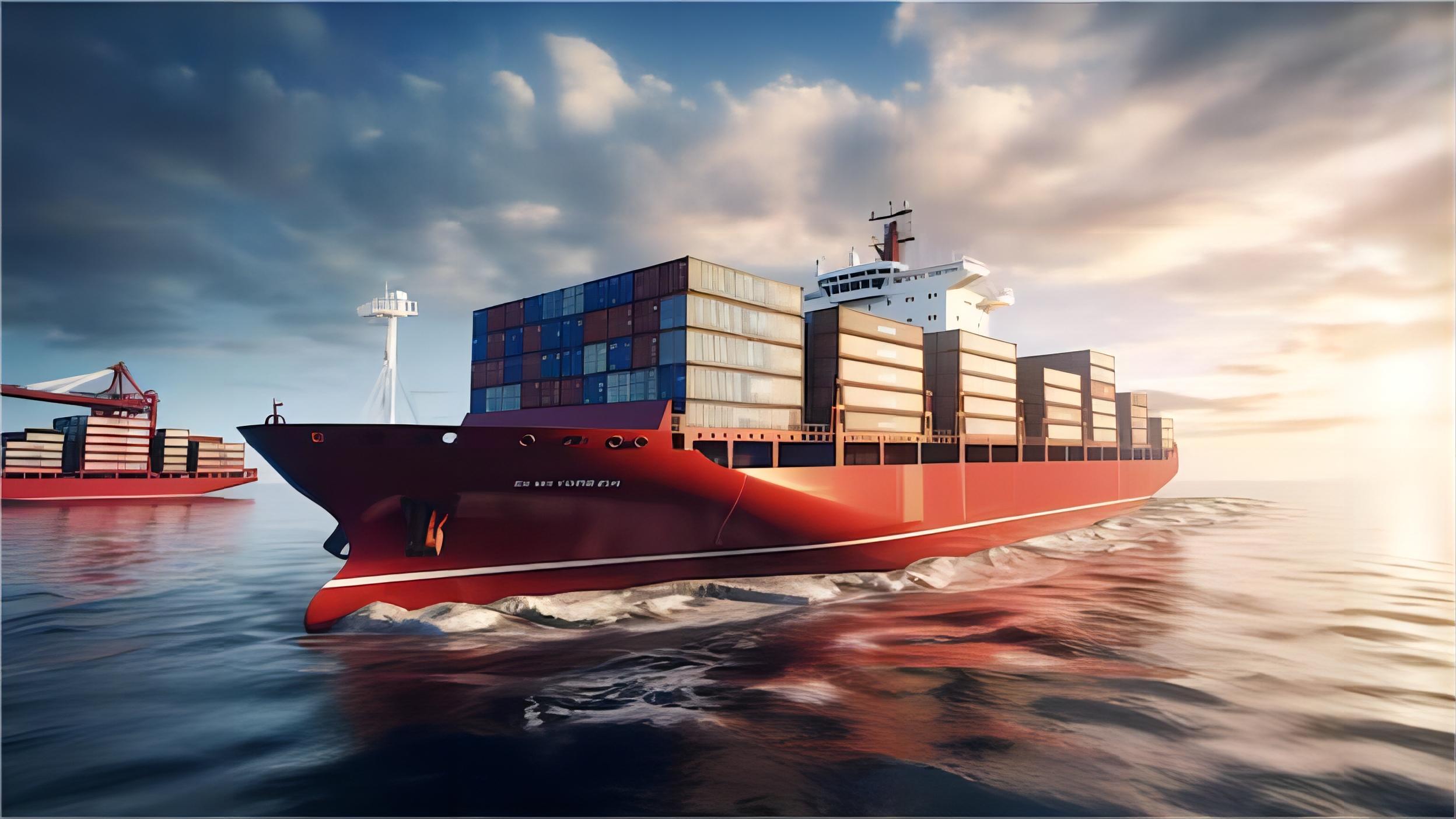
Cargo Shipping Rate China Global Logistics Company 2026 Guide
By partnering with Kompass Freight, buyers gain factory-direct clarity on specs, lead times, and landed expectations. Navigating the complexities of international trade requires a reliable partner to manage your cargo shipping rate China global logistics company requirements effectively. Whether you are scaling your business or managing seasonal inventory, finding cost-effective solutions is vital for growth. Visit Kom Pass Freight at kompassfreight.com/ to explore how our tailored solutions can streamline your import operations today.
When Should You Seek Professional Logistics Assistance?
Determining the right shipping method depends heavily on your specific cargo volume and delivery schedule. Many businesses mistakenly prioritize speed over budget, which leads to unnecessary expenses.
For bulk shipments, you should consider sea freight as it offers the most economical per-unit cost. Conversely, if your items are time-sensitive, air freight provides the quickest transit time despite higher rates.
Furthermore, understanding the difference between FCL and LCL is critical for maximizing your margins. Analyzing current market data allows shippers to secure better freight rates during off-peak periods.
| Equipment Type | Internal Volume (CBM) | Max Payload (kg / lbs) | Optimal Commodity Fit |
|---|---|---|---|
| 20ft Standard (20GP) | 28–30 CBM (26 usable) | 21,800 kg / 48,000 lbs | Dense, heavy cargo (machinery, auto parts, metals) |
| 40ft Standard (40GP) | 58–60 CBM (54 usable) | 26,500 kg / 58,400 lbs | General packaged cargo, standard palletized loads |
| 40ft High Cube (40HQ) | 68–76 CBM (68 usable) | 26,500 kg / 58,400 lbs | Bulky, lightweight goods (furniture, textiles, electronics) |
| 45ft High Cube (45HQ) | 85–86 CBM (78 usable) | 27,500 kg / 60,600 lbs | High-volume consumer retail distribution |
Which Freight and Fulfillment Options Should You Compare First?

Comparing various transport modes is essential for long-term supply chain success. While sea transport dominates the global market, rail and air freight serve distinct niches for importers.
For instance, rail freight serves as an excellent middle-ground for shipments to Europe, offering a faster alternative to sea without the extreme costs of air transport. Meanwhile, businesses focused on e-commerce often utilize Amazon FBA services to simplify their fulfillment process.
| Equipment Type | Internal Volume (CBM) | Max Payload (kg / lbs) | Optimal Commodity Fit |
|---|---|---|---|
| 20ft Standard (20GP) | 28–30 CBM (26 usable) | 21,800 kg / 48,000 lbs | Dense, heavy cargo (machinery, auto parts, metals) |
| 40ft Standard (40GP) | 58–60 CBM (54 usable) | 26,500 kg / 58,400 lbs | General packaged cargo, standard palletized loads |
| 40ft High Cube (40HQ) | 68–76 CBM (68 usable) | 26,500 kg / 58,400 lbs | Bulky, lightweight goods (furniture, textiles, electronics) |
| 45ft High Cube (45HQ) | 85–86 CBM (78 usable) | 27,500 kg / 60,600 lbs | High-volume consumer retail distribution |
How Do FCL, LCL, and Express Services Differ for Your Cargo?
Shipping to North America requires careful planning regarding port congestion and peak season surcharges. In contrast, routes to Australia often involve different carrier alliances and documentation requirements.
Proper documentation is paramount to avoiding delays. Always ensure your customs brokerage partner is well-versed in the specific regulations of your destination country to facilitate a smooth flow of goods.
| Equipment Type | Internal Volume (CBM) | Max Payload (kg / lbs) | Optimal Commodity Fit |
|---|---|---|---|
| 20ft Standard (20GP) | 28–30 CBM (26 usable) | 21,800 kg / 48,000 lbs | Dense, heavy cargo (machinery, auto parts, metals) |
| 40ft Standard (40GP) | 58–60 CBM (54 usable) | 26,500 kg / 58,400 lbs | General packaged cargo, standard palletized loads |
| 40ft High Cube (40HQ) | 68–76 CBM (68 usable) | 26,500 kg / 58,400 lbs | Bulky, lightweight goods (furniture, textiles, electronics) |
| 45ft High Cube (45HQ) | 85–86 CBM (78 usable) | 27,500 kg / 60,600 lbs | High-volume consumer retail distribution |
Mastering Your Logistics Strategy

Securing an accurate cargo shipping rate China global logistics company partner is the foundation of a resilient supply chain. By balancing speed, cost, and reliability, you can ensure your products reach their destination efficiently in 2026.
Always monitor market trends and maintain open communication with your freight forwarder to adapt to changing conditions. Consistent evaluation of your shipping strategy will ultimately lead to improved profitability and customer satisfaction.
Confirm the right route for your shipment
Ready to optimize your logistics strategy? Contact our team today for a transparent quote on your next shipment. Visit us at kompassfreight.com/ to learn more about our comprehensive freight services.
Request a route reviewFrequently Asked Questions
What factors influence shipping rates from China?
Rates are primarily driven by fuel surcharges, container availability, seasonal peak demand, and carrier capacity. Global events and port congestion also play a significant role in price volatility.
How can I reduce my logistics costs?
Consolidating smaller shipments into full container loads is a proven way to lower costs. Additionally, booking in advance and choosing slower transit modes can significantly reduce your total landed cost.
What is the difference between FCL and LCL?
FCL stands for Full Container Load, where you pay for the entire container. LCL stands for Less than Container Load, where you share container space with others, which is cheaper for smaller volumes.
Are there hidden fees in international shipping?
Hidden fees often include unexpected terminal handling charges, documentation fees, or destination port surcharges. Working with a transparent logistics provider helps identify these costs upfront.
How long does customs clearance usually take?
Customs clearance generally takes 1 to 3 business days, provided all documentation is accurate. Incomplete paperwork is the most common cause of extended delays at the border.
Is rail freight available for all global routes?
No, rail freight is currently limited to specific corridors, primarily connecting China to Europe and Central Asia. It is not a viable option for trans-oceanic routes like China to North America.