

China to Australia Container Freight Commercial Cargo: 2026 Logistics Guide
Managing China to Australia container freight commercial cargo requires a deep understanding of modern logistics and international trade regulations. Businesses looking to optimize their supply chain must navigate fluctuating ocean freight rates and strict Australian customs requirements. At Kom Pass Freight, we provide the expertise needed to ensure your commercial goods arrive safely and efficiently in 2026. This comprehensive guide explores the most effective strategies for importing goods from Chinese manufacturing hubs to major Australian ports.
What is the Current State of China to Australia Container Freight Commercial Cargo in 2026?
The logistics landscape for China to Australia container freight commercial cargo has entered a period of relative stability in early 2026. Following the supply chain disruptions experienced in previous years, carriers have optimized their routes to provide more predictable schedules. Consequently, Australian importers can now plan their inventory cycles with higher precision than in the past decade.
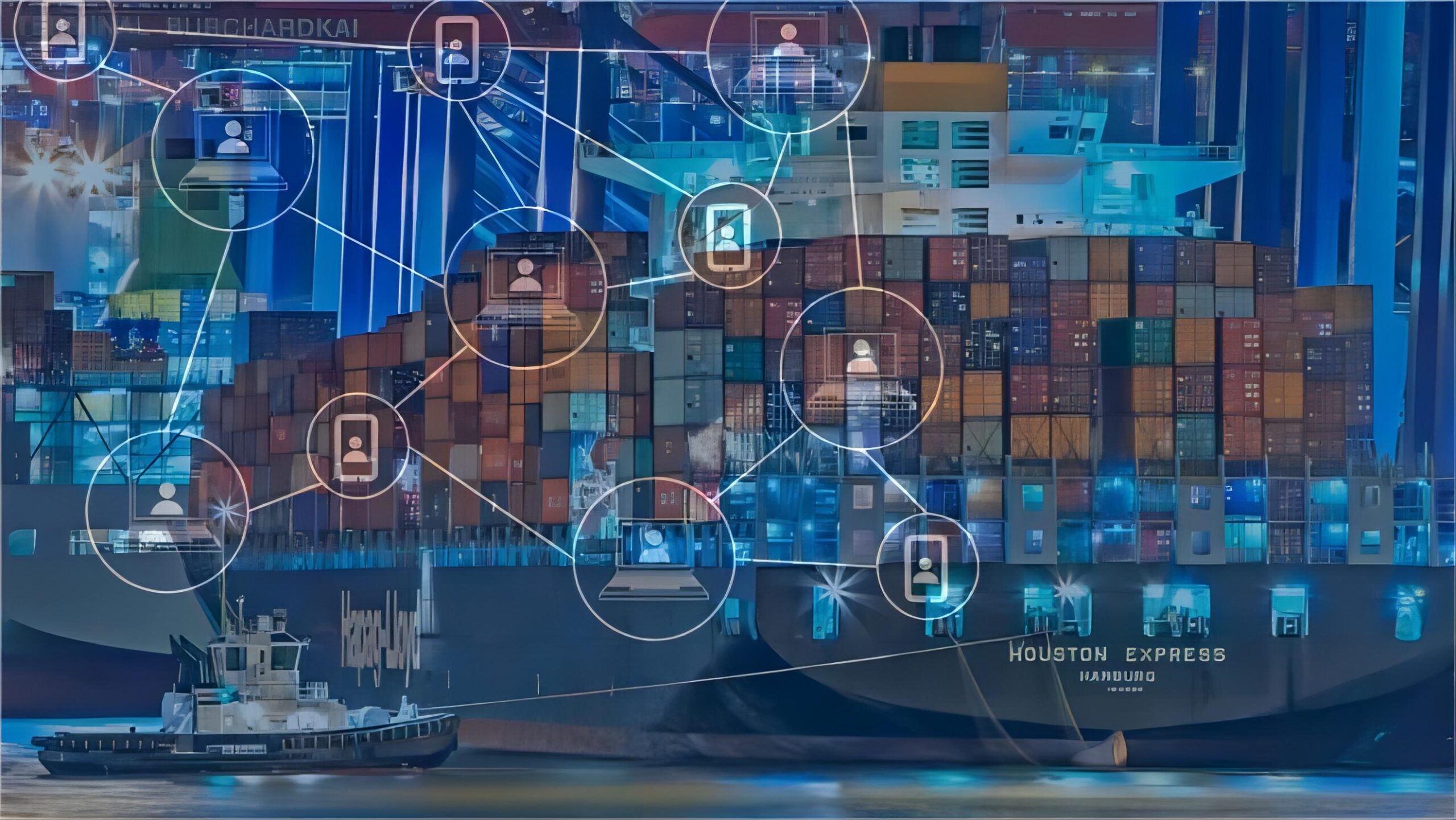
Moreover, the integration of digital tracking technologies has transformed how businesses monitor their international shipments. Real-time data allows for better coordination between Chinese suppliers and Australian distributors. Therefore, companies that leverage these technological advancements often gain a significant competitive advantage in the domestic market.
In addition, environmental regulations in 2026 have influenced shipping costs as carriers invest in greener technologies. While these changes contribute to higher operational expenses, they also offer more sustainable logistics solutions for eco-conscious brands. Industry benchmarks suggest that freight rates have found a new baseline that reflects these modern operational realities.
How Does Sea Freight Compare to Other Shipping Options?
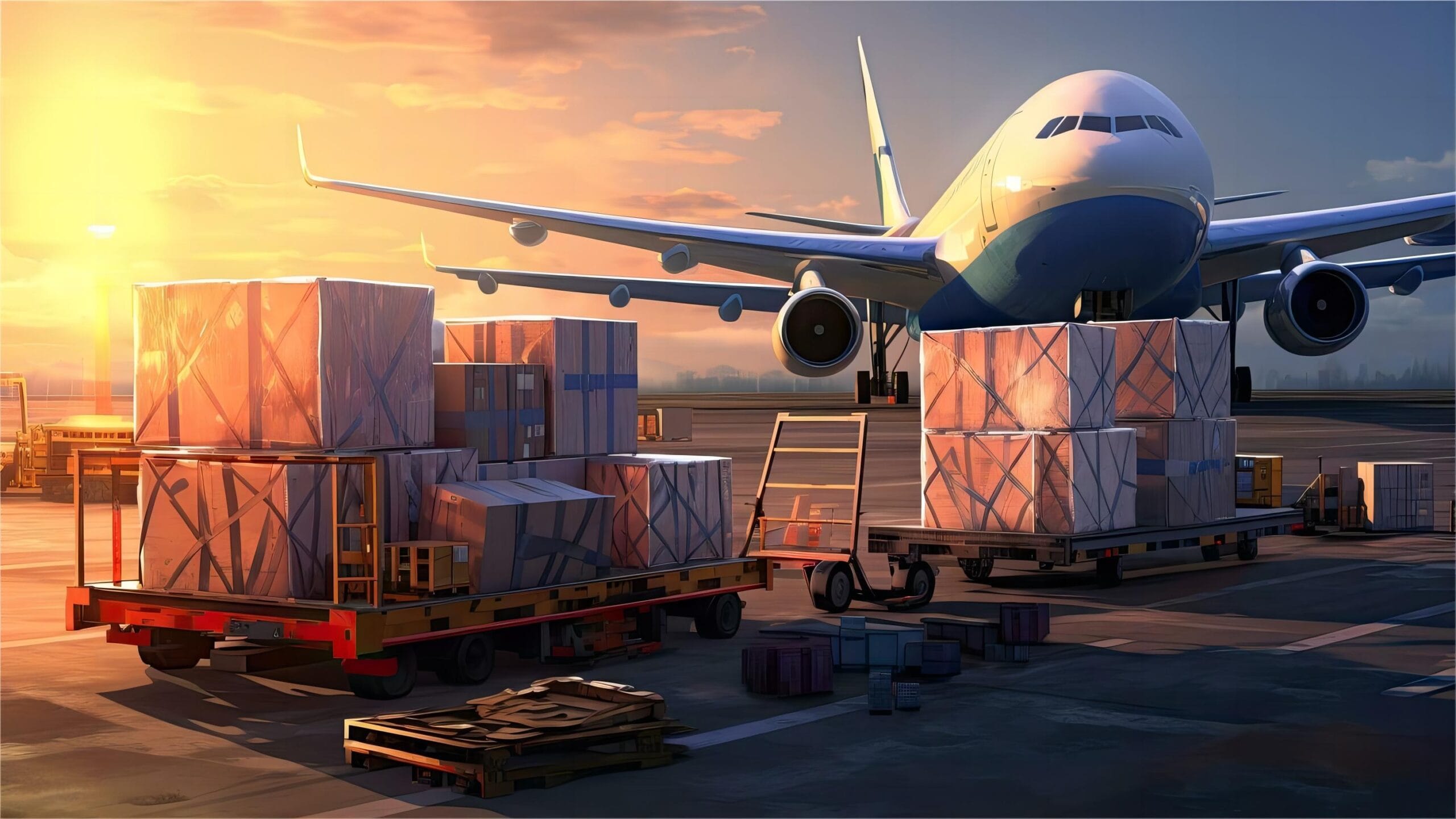
Choosing the right transport mode is critical for maintaining healthy profit margins on commercial imports. While ocean transport remains the primary choice for bulk goods, other methods offer specific benefits depending on the cargo type. For example, high-value electronics or urgent medical supplies often require a faster approach than traditional sea routes.
Indeed, sea freight offers the most cost-effective solution for large volumes of commercial cargo. It allows for the transportation of massive quantities at a fraction of the cost of air transport. However, the longer transit times mean that businesses must account for significant lead times in their planning.
On the other hand, air freight serves as a vital alternative for time-sensitive shipments. Although the costs are substantially higher, the reduction in transit time from weeks to days can be crucial for meeting tight deadlines. To summarize, the choice between sea and air depends largely on the balance between budget constraints and speed requirements.
| Shipping Method | Cost Range | Transit Time | Best For |
|---|---|---|---|
| Sea Freight (FCL) | $1,200 – $2,200 | 12-22 Days | Large bulk orders |
| Sea Freight (LCL) | $60 – $120/CBM | 18-28 Days | Small business stock |
| Air Freight | $4.50 – $8.00/kg | 3-7 Days | High-value goods |
| Express Service | $8.00 – $15.00/kg | 2-5 Days | Samples and documents |
Understanding FCL vs. LCL for Your Commercial Shipments
When booking China to Australia container freight commercial cargo, you must decide between Full Container Load (FCL) and Less than Container Load (LCL). FCL involves renting an entire container for your goods, which provides better security and faster handling. Consequently, many large-scale importers prefer FCL to minimize the risk of damage during consolidation.
Furthermore, FCL is generally more economical if your cargo volume exceeds 15 cubic meters. The flat rate per container often results in a lower cost per unit compared to the variable rates of LCL. Meanwhile, LCL is the ideal choice for smaller businesses that do not have enough inventory to fill a 20-foot container.
Nevertheless, LCL requires the freight forwarder to group your cargo with shipments from other companies. As a result, LCL shipments often face slightly longer transit times due to the consolidation and deconsolidation processes at the ports. For instance, an LCL shipment might take an additional 5-7 days to clear the warehouse compared to a direct FCL delivery.
What are the Key Factors Influencing Shipping Costs in 2026?
Several variables determine the final price of shipping from China to Australia in the current market. Fuel surcharges remain a significant component as carriers adjust to fluctuating energy prices throughout the year. Additionally, port congestion at major hubs like Shanghai or Sydney can lead to unexpected surcharges and delays.
Market data suggests that seasonal demand also plays a vital role in pricing trends. For example, rates typically increase by 15-25% during the peak season from August to October as retailers prepare for the holiday period. Without a doubt, booking your shipments well in advance during these months is essential for securing better rates.
Another factor to consider is the type of commercial cargo being transported. Specialized goods, such as refrigerated items or hazardous materials, require specific handling and equipment that increase the overall cost. Therefore, providing accurate cargo descriptions is vital for receiving an exact quote from your logistics provider.
| Container Type | Estimated Cost (2026) | Capacity (CBM) | Max Weight (kg) |
|---|---|---|---|
| 20GP Container | $850 – $1,300 | 28-30 CBM | 28,000 kg |
| 40GP Container | $1,300 – $1,900 | 56-58 CBM | 26,000 kg |
| 40HQ Container | $1,500 – $2,100 | 68-70 CBM | 26,000 kg |
Which Transit Times Should You Expect for Major Australian Ports?
The duration of China to Australia container freight commercial cargo varies significantly based on the departure and arrival ports. Direct routes from Southern China ports like Shenzhen to Sydney are typically the fastest options available. In contrast, shipments originating from Northern China or requiring transshipment via Singapore will naturally take longer.
Indeed, most direct sea freight services from Shanghai to Melbourne take approximately 15 to 18 days. However, you must also account for the time required for loading at the origin and unloading at the destination. Typically, the entire door-to-door process adds another 7 to 10 days to the port-to-port transit time.
Moreover, weather conditions and port productivity levels can influence these timelines. During the Q3 peak season, increased volume often leads to berthing delays at major Australian terminals. Accordingly, experienced importers always build a buffer of at least one week into their supply chain schedules to avoid stockouts.
| Origin Port | Destination Port | Direct Transit | Transshipment |
|---|---|---|---|
| Shenzhen | Sydney | 12-14 Days | 18-22 Days |
| Shanghai | Melbourne | 15-18 Days | 22-26 Days |
| Ningbo | Brisbane | 14-17 Days | 20-24 Days |
| Qingdao | Fremantle | 18-22 Days | 25-30 Days |

Essential Customs Documentation for Australian Imports
Navigating the legal requirements for commercial cargo is a complex but necessary part of international trade. Australian Border Force (ABF) requires specific documentation to verify the value and nature of all imported goods. Failing to provide accurate paperwork can result in heavy fines and significant shipment delays.
Specifically, you must prepare a Commercial Invoice, a Packing List, and a Bill of Lading for every shipment. These documents serve as the primary evidence for customs valuation and duty assessment. Additionally, a Certificate of Origin is often required to claim preferential tariff rates under the China-Australia Free Trade Agreement (ChAFTA).
Furthermore, engaging a professional customs brokerage service is highly recommended for commercial importers. Experts in Australian customs law can ensure that your cargo is classified correctly under the Harmonized System (HS) codes. Consequently, this expertise helps in avoiding overpayment of duties and ensures compliance with biosecurity regulations.
How to Choose the Right Freight Forwarder for Commercial Cargo?
Selecting a reliable partner for China to Australia container freight commercial cargo is paramount to your business success. A good freight forwarder does more than just move boxes; they provide strategic advice on route optimization and cost reduction. You should look for a provider with a strong network in both China and Australia to ensure seamless communication.
In addition, consider the range of services offered by the logistics company. A provider that offers door to door solutions can simplify your operations by managing the entire process from the factory to your warehouse. This end-to-end management reduces the number of touchpoints and minimizes the risk of logistical errors.
Finally, transparency in pricing and communication is a key indicator of a professional service. Avoid forwarders that provide vague quotes or fail to explain potential surcharges. Instead, choose a partner that provides detailed breakdowns and regular status updates throughout the shipping journey.
Real-World Case Studies for Australia Commercial Shipping
Examining real-world scenarios helps illustrate the practical challenges and costs associated with international freight. These cases reflect typical shipments handled in 2025 and early 2026. Note: Freight rates are subject to change based on fuel costs, carrier capacity, and seasonal demand. Contact us for a current quote tailored to your specific shipment.
Case Study 1: Electronics Distribution. Route: Shenzhen to Sydney. Cargo: Consumer electronics, 28 CBM. Container: 20GP FCL. Ocean Freight: $1,150. Origin/Dest Charges: $650. Total Landed Cost (excl. duty): $1,800. Transit: 14 days. Key Insight: Direct shipping from Shenzhen saved 5 days compared to transshipment.
Case Study 2: Furniture Import. Route: Ningbo to Melbourne. Cargo: Flat-pack furniture, 6 CBM. Method: LCL. Ocean Freight: $480 ($80/CBM). Origin/Dest Charges: $420. Total Landed Cost: $900. Transit: 24 days. Key Insight: LCL was more cost-effective than FCL for this mid-sized volume despite longer handling times.
Decision Framework: Which Option Should You Choose?
Determining the best logistics strategy depends on your specific business priorities and cargo characteristics. If your primary goal is budget optimization, sea freight FCL is usually the unbeatable choice for large volumes. However, if you are managing a small startup with limited stock, LCL allows you to maintain cash flow while still importing from overseas.
For those prioritizing speed, air freight remains the only viable option for getting products to market within a week. This is particularly useful for seasonal fashion or high-demand tech launches where being first to market is essential. Alternatively, hybrid sea-air solutions can sometimes provide a middle ground for cost and speed.
Lastly, consider the complexity of your cargo and your internal capabilities. If you lack a dedicated logistics team, a comprehensive door-to-door service is the most efficient way to manage your imports. This allows you to focus on sales and marketing while professionals handle the intricacies of international shipping.
Final Thoughts on Commercial Cargo Shipping
Successfully managing China to Australia container freight commercial cargo is a vital skill for any modern importer. By understanding the differences between FCL and LCL, monitoring market trends, and preparing accurate documentation, you can significantly reduce your logistics costs. Furthermore, partnering with an experienced freight forwarder ensures that your business remains resilient against global supply chain fluctuations.
As we move through 2026, staying informed about transit times and port conditions will remain essential for maintaining a reliable inventory. Always remember to factor in seasonal variations and choose the shipping method that best aligns with your business objectives. With the right approach, importing from China to Australia can be a seamless and highly profitable venture for your company.

Ready to streamline your logistics?
Streamline your supply chain today with professional China to Australia container freight commercial cargo services. Our team at Kom Pass Freight is ready to provide you with a competitive, transparent quote for your next shipment. Visit our website to request a quote or contact our logistics experts to discuss your specific commercial needs. Let us help you navigate the complexities of international trade with ease.
Request Quote