

China Warehouse and Fulfillment Fast Delivery: 2026 Logistics Guide
Managing a global supply chain requires precision, speed, and reliable local partners to remain competitive in today’s market. Businesses seeking china warehouse and fulfillment fast delivery often struggle with rising costs and complex international regulations. However, choosing the right logistics partner ensures your products reach customers without unnecessary delays or hidden fees. This guide explores the most efficient strategies for 2026 to streamline your operations from the factory floor to the final destination.
✦
What defines china warehouse and fulfillment fast delivery in 2026?
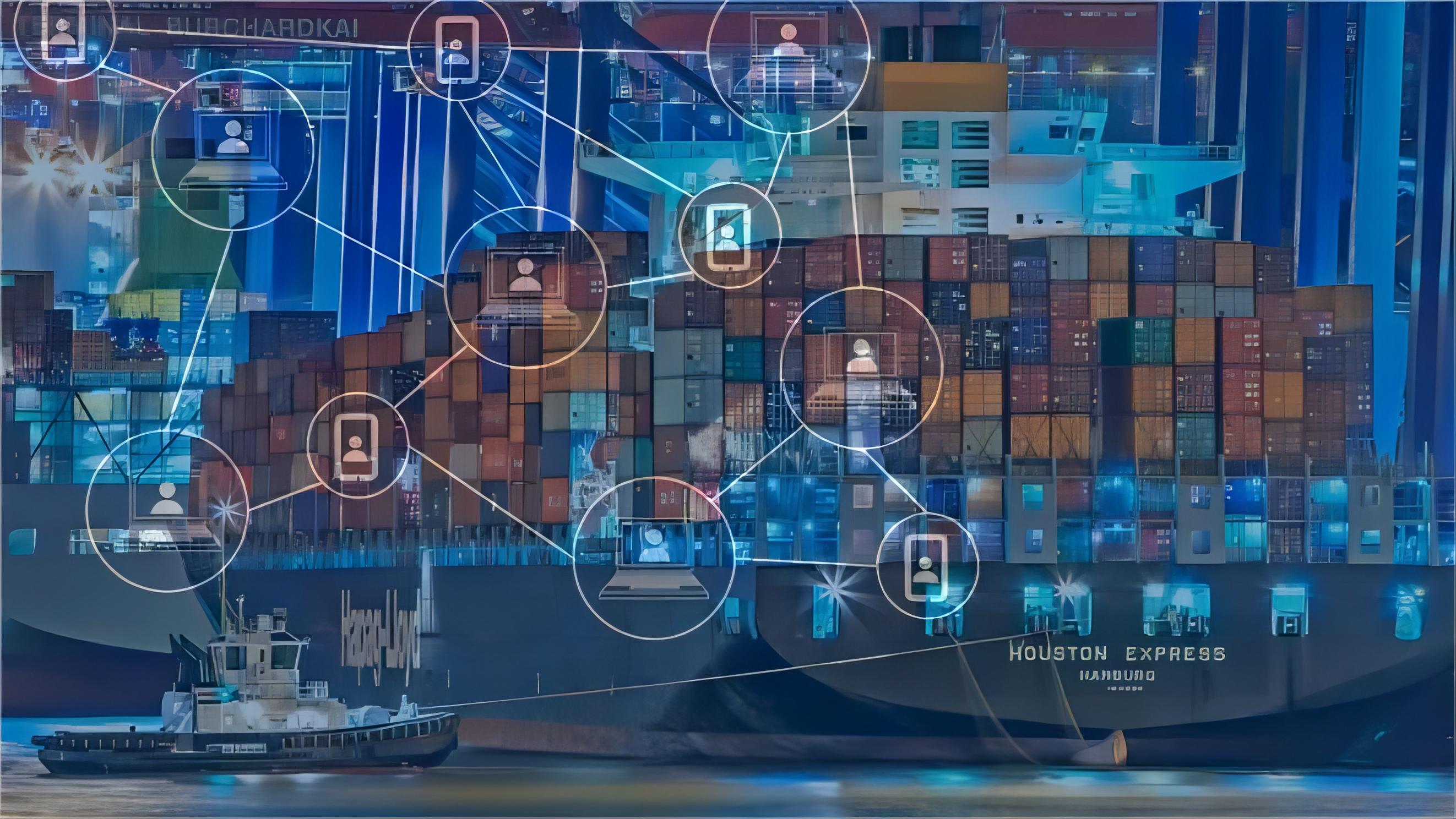
Modern logistics in China has evolved far beyond simple storage and basic shipping services. Consequently, the concept of fast delivery now encompasses real-time inventory tracking, automated picking, and rapid dispatch protocols. Furthermore, high-tech warehouses located in strategic hubs like Shenzhen or Ningbo allow for immediate access to major shipping lanes. Therefore, businesses can significantly reduce their lead times by integrating their sales platforms directly with Chinese fulfillment centers.
Additionally, the integration of artificial intelligence in 2026 has optimized the way cargo is handled before it even leaves the dock. Providers now use predictive analytics to anticipate seasonal demand spikes, ensuring that labor and space are allocated efficiently. Meanwhile, the proximity of these warehouses to manufacturing plants minimizes domestic transit times. As a result, the entire process from order placement to international departure is faster than ever before.
How Does Fast Delivery Compare to Other Shipping Options?
Choosing the right shipping method is a critical decision that balances cost against the urgency of the shipment. Indeed, while some businesses prioritize the lowest possible price, others require the speed of express service to maintain customer satisfaction. Understanding the trade-offs between different modes of transport is essential for maintaining a healthy bottom line. For instance, air freight offers unmatched speed but comes at a premium price point compared to maritime options.
Moreover, the current market conditions in early 2026 show that sea freight rates have stabilized, making it a viable option for larger volumes. On the other hand, rail freight has become a popular middle-ground for shipments heading to Europe. To help you decide, we have compiled a comprehensive comparison of the most common shipping methods available today. Please note that these figures are based on current market averages and may fluctuate.
| Shipping Method | Cost Range | Transit Time | Best For | Limitations |
|---|---|---|---|---|
| Express Service | $8 – $15 per kg | 3 – 5 Days | Small parcels, samples | High cost for weight |
| Air Freight | $4 – $9 per kg | 5 – 10 Days | High-value electronics | Strict weight limits |
| Rail Freight | $120 – $180 per CBM | 18 – 25 Days | Mid-sized shipments | Limited to Eurasia |
| Sea Freight | $1,500 – $4,500 per FEU | 25 – 40 Days | Bulk goods, FCL | Longest transit time |

Alternative Strategies for Cost-Effective Fulfillment
Implementing a hybrid shipping strategy can often provide the best balance of speed and affordability for your business. For example, many companies use a ‘Sea-Air’ solution where goods are shipped by sea to a hub like Dubai and then flown to the final destination. This approach reduces costs by up to 40% compared to pure air freight while remaining much faster than standard sea routes. Consequently, you can keep your inventory levels lean without overspending on logistics.
Another effective strategy involves utilizing Less than Container Load (LCL) shipping for smaller batches of inventory. Instead of waiting to fill an entire container, you share space with other shippers, which allows for more frequent shipments. Furthermore, choosing direct shipping routes rather than transshipment via third countries can save 5 to 7 days of transit time. Nevertheless, direct routes may carry a 10% to 15% price premium depending on the carrier and current port congestion levels.
Which Option Should You Choose? Decision Framework
Selecting the ideal logistics path depends heavily on your specific business goals and the nature of your products. If your primary priority is budget and you are shipping high-volume, low-margin goods, sea freight is undoubtedly the most logical choice. However, if you are launching a new product and need to test the market quickly, the speed of air transport justifies the higher expense. Additionally, consider the shelf life and seasonality of your items before making a final commitment.
Volume thresholds also play a major role in determining the most economical method for your warehouse fulfillment. For shipments under 15 CBM, LCL is generally more cost-effective than booking a full 20GP container. Conversely, once your volume exceeds 20 CBM, moving to a Full Container Load (FCL) provides better security and lower per-unit costs. Market data from early 2026 suggests that shippers who consolidate their orders into FCL shipments save an average of 18% on total landed costs.
Maximizing Efficiency with Amazon FBA and Specialized Fulfillment
Sellers utilizing the Amazon FBA program must adhere to strict labeling and packaging requirements to avoid costly delays. A specialized China-based warehouse can handle these tasks locally, ensuring that every box meets Amazon’s standards before it even leaves the country. Consequently, this reduces the risk of shipments being rejected at the destination fulfillment center. Moreover, local prep services in China are significantly cheaper than those located in the US or Europe.
Furthermore, many 3PL providers now offer multi-channel fulfillment, allowing you to ship orders from a single inventory pool to various platforms. This centralized approach simplifies inventory management and prevents stockouts across different sales channels. Indeed, by maintaining a buffer stock in a Chinese warehouse, you can quickly replenish your international stock via air freight whenever demand spikes. As a result, you maintain a high seller rating and keep your customers happy with consistent product availability.
The Importance of Professional Customs Brokerage
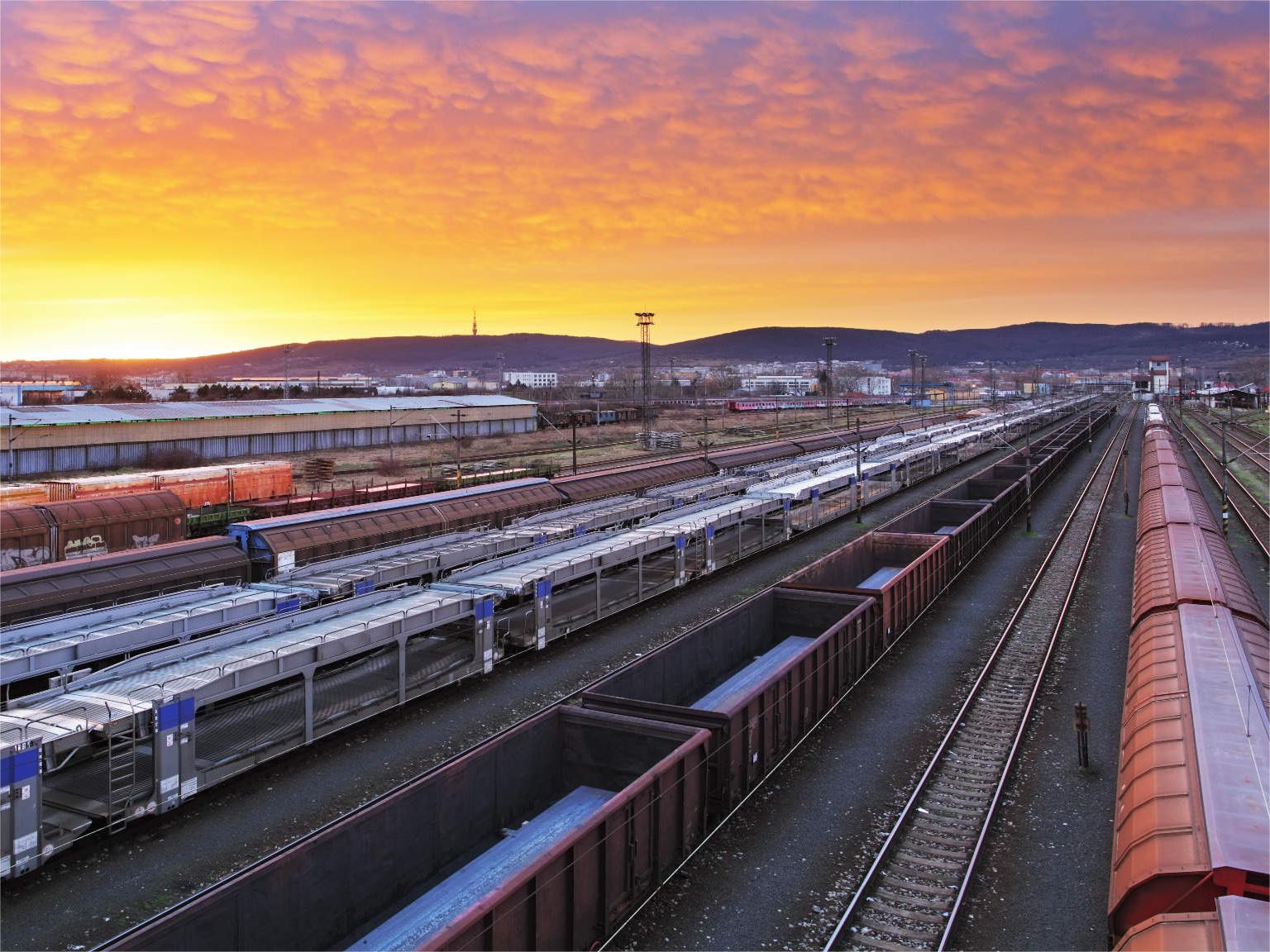
Navigating the complexities of international trade requires a deep understanding of ever-changing customs regulations and duty structures. Therefore, partnering with an experienced customs brokerage is essential for avoiding legal pitfalls and unexpected fines. These professionals ensure that all documentation, such as the Bill of Lading and Commercial Invoice, is perfectly accurate. Meanwhile, they can advise on duty-saving programs and trade agreements that may apply to your specific product category.
In 2026, customs authorities have implemented more rigorous digital filing requirements that demand immediate compliance. Failure to provide the correct Harmonized System (HS) codes can result in shipments being held at the port for weeks. Consequently, having a broker who stays updated on these technological shifts is a major competitive advantage. Without a doubt, the peace of mind provided by professional clearance services is worth the investment for any serious importer.
| Document Name | Purpose | Required For | Issuer |
|---|---|---|---|
| Commercial Invoice | Proof of value | All shipments | Seller |
| Packing List | Details of cargo | All shipments | Seller/Warehouse |
| Bill of Lading | Title to goods | Sea/Rail freight | Carrier |
| Cert. of Origin | Proof of manufacture | Duty exemptions | Chamber of Commerce |
Real-World Case Studies: Fulfillment Success Stories
Examining real-world examples provides valuable insight into how different shipping methods perform in actual market conditions. These cases highlight the importance of planning and the impact of choosing the right transit mode. Below are two scenarios from our 2025 and 2026 records that demonstrate the efficiency of tailored logistics solutions.
+———————————————————+ | Case Study 1: Electronics to Los Angeles, USA | | Route: Shenzhen, China to Los Angeles, USA | | Cargo: Consumer Electronics, 8 CBM, 1,200 kg | | Method: Air Freight (Standard) | | | | Cost Breakdown: | | – Air Freight: $7,800 | | – Origin Fees: $450 | | – Customs & Duties: $1,200 | | – Total Landed Cost: $9,450 | | | | Timeline: | | – Sea Transit: N/A | | – Air Transit: 6 days | | – Total Door-to-Door: 9 days | | Key Insight: Speed was critical for a product launch. | +———————————————————+
+———————————————————+ | Case Study 2: Home Decor to Hamburg, Germany | | Route: Ningbo, China to Hamburg, Germany | | Cargo: Wooden Furniture, 28 CBM | | Container: 40GP Full Container | | | | Cost Breakdown: | | – Ocean Freight: $3,400 | | – Origin Charges: $600 | | – Destination Charges: $850 | | – Total Landed Cost: $4,850 | | | | Timeline: | | – Sea Transit: 32 days | | – Customs Clearance: 3 days | | – Total Door-to-Door: 42 days | | Key Insight: FCL provided the best safety for bulk. | +———————————————————+
Note: Freight rates are subject to change based on fuel costs, carrier capacity, and seasonal demand. Contact us for a current quote tailored to your specific shipment.
Logistics Trends and Market Context for 2026
As we progress through 2026, the logistics landscape continues to be influenced by global economic shifts and technological advancements. According to industry benchmarks, freight rates from China to Europe have stabilized after the 2025 Red Sea disruptions, allowing for more predictable budgeting. Furthermore, the expansion of green logistics initiatives has led many carriers to offer carbon-neutral shipping options. Businesses that adopt these sustainable practices often find themselves better positioned to meet the demands of environmentally conscious consumers.
Moreover, the rise of regional distribution centers has changed the way companies approach china warehouse and fulfillment fast delivery. Instead of shipping everything to a single central hub, many are now splitting their inventory across multiple smaller warehouses. This strategy reduces the ‘last-mile’ delivery distance and ensures faster arrival times for the end customer. Consequently, while the initial logistics setup may be more complex, the long-term gains in delivery speed and customer loyalty are substantial.
Final Thoughts on China Fulfillment
Successfully navigating the world of china warehouse and fulfillment fast delivery requires a combination of strategic planning and the right partnerships. By understanding the differences between sea, air, and rail freight, you can make informed decisions that protect your margins. Furthermore, leveraging local expertise for customs and prep services ensures your operations remain compliant and efficient. As global trade continues to evolve in 2026, staying adaptable and informed will be the key to your long-term success in the international marketplace.
