


Container Shipping Booking China USA Service: 2026 Guide
By partnering with Kompass Freight, buyers gain factory-direct clarity on specs, lead times, and landed expectations. Securing a reliable container shipping booking China USA service involves navigating complex logistics, fluctuating freight rates, and strict customs regulations. For businesses aiming to optimize their supply chain, finding a partner like Kom Pass Freight is essential for seamless operations. Visit kompassfreight.com/ to explore how our team simplifies international trade for your growing business.
Selecting Container Sizes: 20GP vs 40HQ for This Corridor
Many companies struggle with the complexities of importing goods across the Pacific. To address these challenges, you must first understand the primary modes of transport available for your specific cargo needs.
Choosing between FCL and LCL is the most critical decision for your budget. While FCL offers exclusive container space, LCL allows you to share costs with other shippers, making it ideal for smaller volumes of inventory.
Furthermore, you should consider the urgency of your delivery schedule. If your timelines are tight, you might look into our specialized kompassfreight.com/services/express-service/ to expedite the transit process.
| Equipment Type | Internal Volume (CBM) | Max Payload (kg / lbs) | Optimal Commodity Fit |
|---|---|---|---|
| 20ft Standard (20GP) | 28–30 CBM (26 usable) | 21,800 kg / 48,000 lbs | Dense, heavy cargo (machinery, auto parts, metals) |
| 40ft Standard (40GP) | 58–60 CBM (54 usable) | 26,500 kg / 58,400 lbs | General packaged cargo, standard palletized loads |
| 40ft High Cube (40HQ) | 68–76 CBM (68 usable) | 26,500 kg / 58,400 lbs | Bulky, lightweight goods (furniture, textiles, electronics) |
| 45ft High Cube (45HQ) | 85–86 CBM (78 usable) | 27,500 kg / 60,600 lbs | High-volume consumer retail distribution |
Carrier Vessel Cut-offs, CY Gate-in, and Demurrage Windows
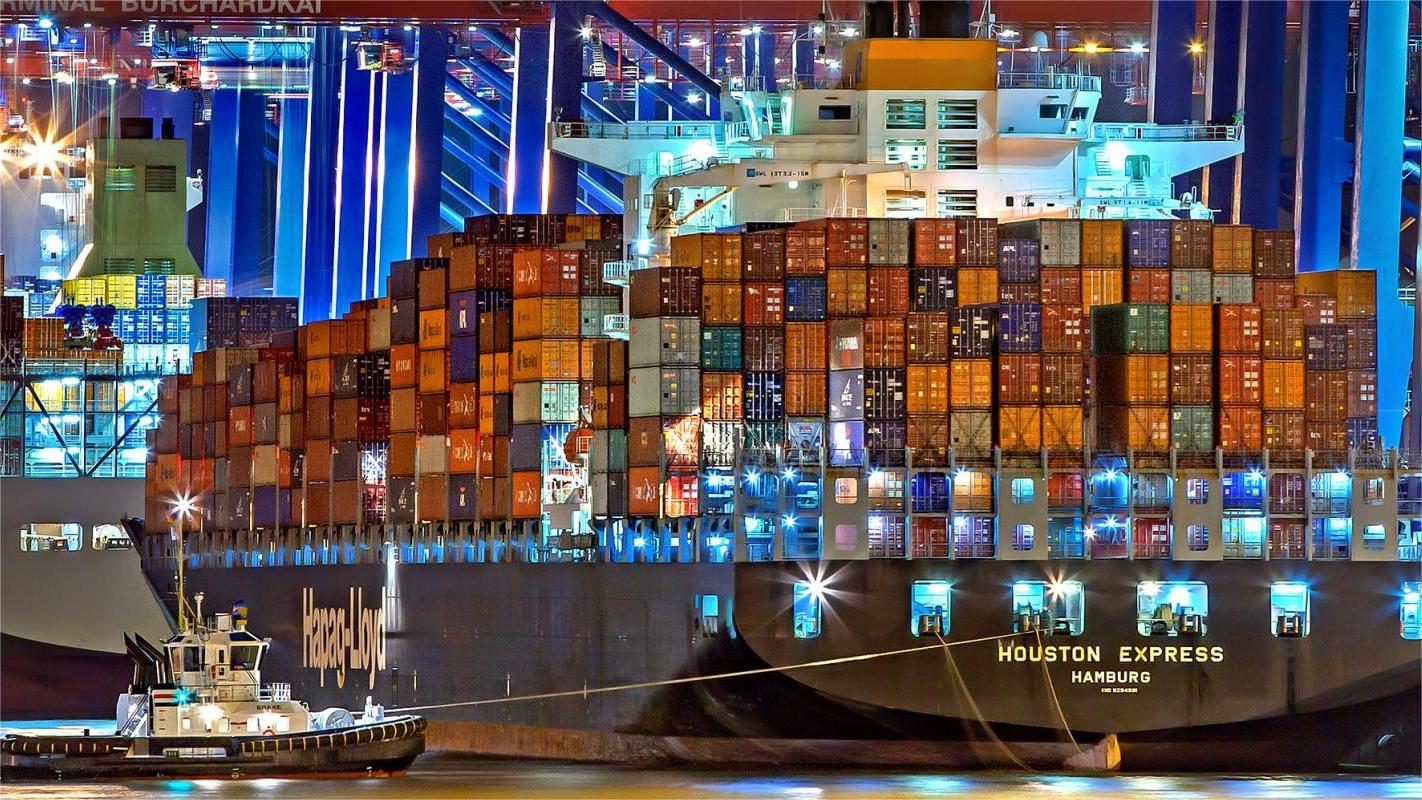
When planning your logistics strategy, it is vital to compare sea freight with air and rail alternatives. Sea freight remains the most cost-effective method for bulk volume, whereas air freight is reserved for high-value or time-sensitive items.
For instance, our dedicated kompassfreight.com/services/sea-freight/ provides the stability needed for large-scale imports. In contrast, if your goods require rapid movement, exploring kompassfreight.com/services/air-freight/ is a strategic move to prevent stockouts.
Additionally, rail freight offers a balanced alternative for specific inland destinations. You can learn more about these options by visiting kompassfreight.com/services/rail-freight/ to determine which mode suits your current procurement cycle.
| Equipment Type | Internal Volume (CBM) | Max Payload (kg / lbs) | Optimal Commodity Fit |
|---|---|---|---|
| 20ft Standard (20GP) | 28–30 CBM (26 usable) | 21,800 kg / 48,000 lbs | Dense, heavy cargo (machinery, auto parts, metals) |
| 40ft Standard (40GP) | 58–60 CBM (54 usable) | 26,500 kg / 58,400 lbs | General packaged cargo, standard palletized loads |
| 40ft High Cube (40HQ) | 68–76 CBM (68 usable) | 26,500 kg / 58,400 lbs | Bulky, lightweight goods (furniture, textiles, electronics) |
| 45ft High Cube (45HQ) | 85–86 CBM (78 usable) | 27,500 kg / 60,600 lbs | High-volume consumer retail distribution |
Critical Checklist: CY Gate-in Documents and Filing Windows on Container Booking
Navigating US customs regulations requires precise documentation and adherence to federal standards. Consequently, working with a professional kompassfreight.com/services/customs-brokerage/ ensures that your cargo clears ports without unnecessary delays or penalties.
Moreover, proper classification of your goods is mandatory for accurate duty calculations. We recommend conducting a thorough review of your HS codes before finalizing your booking to avoid unexpected landed costs.
Finally, ensure your documentation is complete and verified well before the arrival date. This proactive approach minimizes the risk of hold-ups at the port of discharge, keeping your supply chain moving efficiently.
| Equipment Type | Internal Volume (CBM) | Max Payload (kg / lbs) | Optimal Commodity Fit |
|---|---|---|---|
| 20ft Standard (20GP) | 28–30 CBM (26 usable) | 21,800 kg / 48,000 lbs | Dense, heavy cargo (machinery, auto parts, metals) |
| 40ft Standard (40GP) | 58–60 CBM (54 usable) | 26,500 kg / 58,400 lbs | General packaged cargo, standard palletized loads |
| 40ft High Cube (40HQ) | 68–76 CBM (68 usable) | 26,500 kg / 58,400 lbs | Bulky, lightweight goods (furniture, textiles, electronics) |
| 45ft High Cube (45HQ) | 85–86 CBM (78 usable) | 27,500 kg / 60,600 lbs | High-volume consumer retail distribution |
Final Thoughts on Container Shipping Booking China USA Service
Successfully managing a container shipping booking China USA service requires constant attention to market trends and carrier reliability. By choosing the right shipping method and staying updated on customs requirements, you can significantly reduce your operational risks.
As we navigate the 2026 shipping landscape, flexibility remains your greatest asset. Whether you need comprehensive kompassfreight.com/services/door-to-door/ support or simple port-to-port transit, professional guidance will always yield better results for your bottom line.
Confirm the right route for your shipment
Ready to streamline your logistics? Contact Kom Pass Freight today to secure your container shipping booking China USA service and receive a competitive quote tailored to your business needs 📩
Request a route reviewFrequently Asked Questions
What is the typical transit time for sea freight from China to the USA?
Sea freight transit times typically range from 20 to 40 days, depending on whether you are shipping to the West Coast or the East Coast and the specific carrier routes chosen.
How can I reduce my overall shipping costs?
You can reduce costs by consolidating smaller shipments into LCL, booking well in advance of peak seasons, and optimizing your cargo packaging to maximize container space utilization.
What documents are required for US customs clearance?
Essential documents include the commercial invoice, packing list, bill of lading, and the Importer Security Filing (ISF). Additional certificates may be required for specific regulated products.
Is it better to use FCL or LCL for my shipment?
FCL is more cost-effective for shipments over 15 cubic meters, while LCL is generally more economical for smaller volumes because you only pay for the specific space your cargo occupies.
Do freight rates fluctuate throughout the year?
Yes, freight rates fluctuate based on seasonal demand, fuel surcharges, and global port congestion. Rates often increase significantly during the peak season from August to October.
How do I track my container during transit?
Most freight forwarders provide a tracking number linked to the carrier’s system. You can monitor your container’s progress through the carrier’s online portal or your forwarder’s dashboard.