


Customs Duty Clearance Service China Import Export Guide 2026
By partnering with Kompass Freight, buyers gain factory-direct clarity on specs, lead times, and landed expectations. Navigating the complexities of international trade requires a reliable partner to manage your supply chain effectively. At Kom Pass Freight, available at kompassfreight.com/, we provide comprehensive logistics solutions tailored to your unique requirements. Securing a professional customs duty clearance service for China import export is essential for businesses aiming to minimize transit time and avoid regulatory penalties.

What Should Buyers Know First About Customs Duty Clearance China Import?
International trade regulations are constantly evolving, making compliance a significant challenge for importers. A specialized customs duty clearance service for China import export ensures that your documentation remains accurate and up to date.
Furthermore, errors in paperwork often lead to cargo seizures or heavy fines at the border. By leveraging expert knowledge, your business can navigate complex tariff codes and trade agreements with minimal friction.
Additionally, professional brokers act as a bridge between your company and government authorities. This proactive approach helps in resolving potential disputes before they escalate into costly delays. See air freight for options that match this corridor.
| Cost Component | Typical Assessment Base | Who Usually Pays | Planning Note |
|---|---|---|---|
| CIF / customs value | Goods value + freight + insurance (as declared) | Importer of record | Wrong valuation drives duty and VAT/GST miscalc |
| Import duty / tariff | % of customs value by HS chapter | Importer / DDP seller (by Incoterms) | Confirm HS binding before award |
| VAT / GST / sales tax | Duty-paid value (or local statutory base) | Importer / fiscal representative | Registration and reclaim rules vary by market |
| Customs broker / clearance fee | Per entry or per shipment band | Importer / nominating party | Separates from freight; exams add extras |
| Exam / storage / disbursement | Event-driven (exam, demurrage, advance) | Importer / broker client account | Often outside base ocean/truck quote |
How Do Routing and Gateway Choices Affect This Lane?
Choosing the right transport mode is critical for optimizing your logistics strategy. For instance, you might consider sea freight for high-volume shipments to reduce overhead costs.
Alternatively, if your cargo requires rapid delivery, air freight offers the fastest transit times available in the current market. We also support rail freight as a cost-effective middle-ground for Eurasian trade routes.
Moreover, businesses selling on global marketplaces can utilize Amazon FBA services to streamline their inventory management. Finally, our door to door solutions ensure a seamless handoff from the factory floor to your warehouse.
| Equipment Type | Internal Volume (CBM) | Max Payload (kg / lbs) | Optimal Commodity Fit |
|---|---|---|---|
| 20ft Standard (20GP) | 28–30 CBM (26 usable) | 21,800 kg / 48,000 lbs | Dense, heavy cargo (machinery, auto parts, metals) |
| 40ft Standard (40GP) | 58–60 CBM (54 usable) | 26,500 kg / 58,400 lbs | General packaged cargo, standard palletized loads |
| 40ft High Cube (40HQ) | 68–76 CBM (68 usable) | 26,500 kg / 58,400 lbs | Bulky, lightweight goods (furniture, textiles, electronics) |
| 45ft High Cube (45HQ) | 85–86 CBM (78 usable) | 27,500 kg / 60,600 lbs | High-volume consumer retail distribution |
Cost vs Speed: Decision Rules for This Corridor Shipments
Comparing your shipping options is vital when planning your annual logistics budget. While customs clearance fees are a fixed cost for international trade, choosing the wrong freight method can lead to massive cost variances.
For example, shipping a 40HQ container via sea is significantly cheaper than air, yet it requires more advanced planning. On the other hand, direct routes typically save time compared to transshipment hubs. See rail freight for options that match this corridor.
| Equipment Type | Internal Volume (CBM) | Max Payload (kg / lbs) | Optimal Commodity Fit |
|---|---|---|---|
| 20ft Standard (20GP) | 28–30 CBM (26 usable) | 21,800 kg / 48,000 lbs | Dense, heavy cargo (machinery, auto parts, metals) |
| 40ft Standard (40GP) | 58–60 CBM (54 usable) | 26,500 kg / 58,400 lbs | General packaged cargo, standard palletized loads |
| 40ft High Cube (40HQ) | 68–76 CBM (68 usable) | 26,500 kg / 58,400 lbs | Bulky, lightweight goods (furniture, textiles, electronics) |
| 45ft High Cube (45HQ) | 85–86 CBM (78 usable) | 27,500 kg / 60,600 lbs | High-volume consumer retail distribution |
Summary of Logistics Success
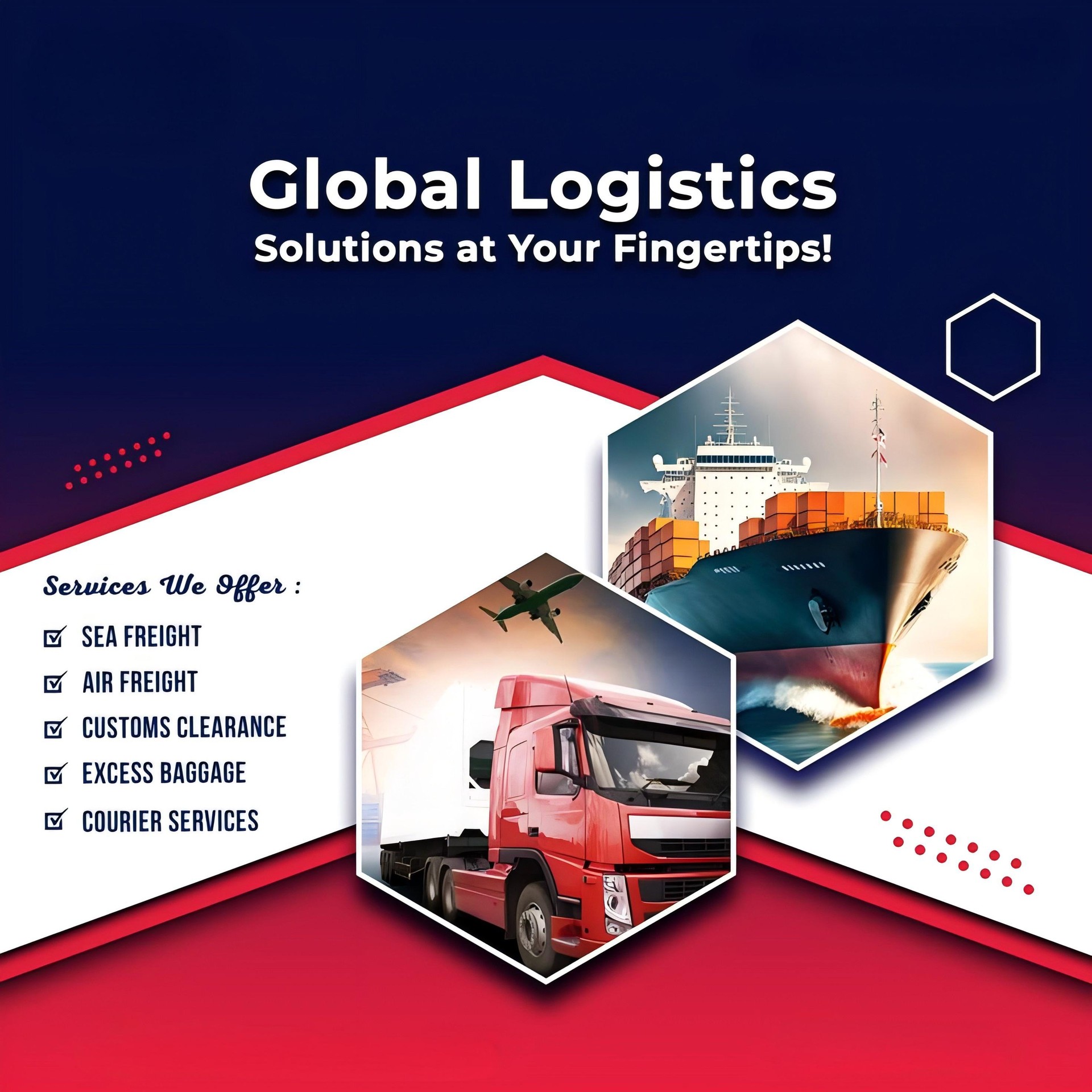
Successfully managing your international shipments requires a mix of strategic planning and expert support. By utilizing a professional customs duty clearance service for China import export, you protect your business from unnecessary risks and downtime.
As of 2026, market data suggests that businesses prioritizing compliance and efficient freight methods achieve significantly better profit margins. We invite you to partner with us for your future shipping needs.
Confirm the right route for your shipment
Are you ready to optimize your supply chain? Contact Kom Pass Freight today to request a quote and learn more about our expert customs duty clearance service for China import export. 📩
Request a route reviewFrequently Asked Questions
What documents are required for customs clearance?
You typically need a commercial invoice, packing list, bill of lading, and a certificate of origin. Some specialized goods may also require specific health or safety permits depending on the destination country regulations.
How long does the customs clearance process take?
Clearance usually takes between 1 to 3 business days, provided all documentation is complete and accurate. However, inspections or missing information can extend this timeline significantly.
Can I estimate my import duties beforehand?
Yes, you can estimate duties by identifying the HS code for your products and checking the tariff rates for the destination country. Online calculators are available, but professional advice is recommended for accuracy.
What happens if my goods are held in customs?
If goods are held, you will receive a notification regarding the reason, such as missing paperwork or duty payment issues. You should contact your freight forwarder immediately to resolve the discrepancy.
Are there seasonal variations in shipping costs?
Rates generally increase during peak seasons, such as the period before major holidays or the Chinese New Year. Planning your shipments during off-peak times can lead to substantial cost savings.
Is insurance necessary for my cargo?
Cargo insurance is highly recommended to protect against loss or damage during transit. It provides financial security and peace of mind when shipping high-value items internationally.