

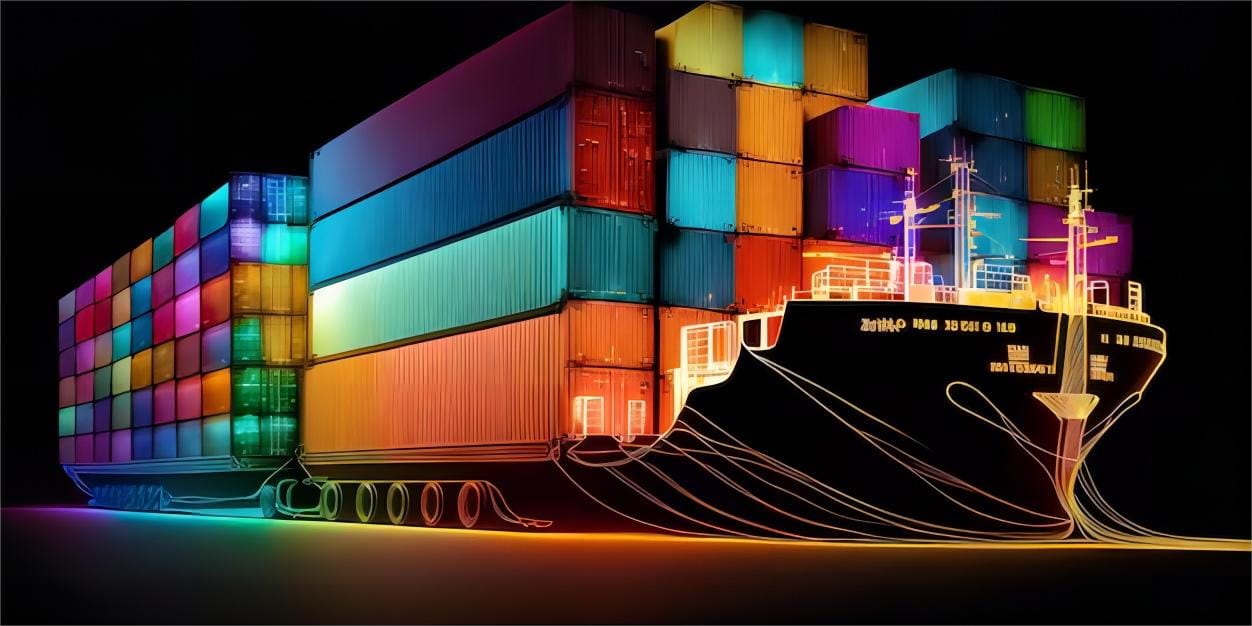
Freight Forwarding Services China Bulk Cargo: A 2025 Logistics Guide
Freight forwarding services china bulk cargo are essential for businesses looking to transport massive quantities of goods across international borders efficiently. Managing large-scale logistics requires a deep understanding of global trade routes and vessel capacities to ensure cost-effective delivery. By partnering with a professional logistics provider like Kom Pass Freight, importers can navigate the complexities of international shipping while maintaining high operational standards. This comprehensive guide explores how to optimize your bulk cargo strategy for the current market.
What Defines Freight Forwarding Services China Bulk Cargo?
Bulk cargo refers to commodities that are transported unpackaged and in large quantities, often filling entire ship holds or specialized containers. These goods typically include raw materials like minerals, grains, or large industrial components that do not fit into standard shipping boxes. Freight forwarding services china bulk cargo specialize in the unique handling requirements these materials demand during transit.
Moreover, the logistics of bulk shipping involve complex coordination between ports, inland transport, and maritime carriers. Consequently, forwarders must manage specialized equipment such as cranes, conveyors, and heavy-duty trucks to move cargo from the factory to the terminal. Without expert oversight, businesses often face significant delays and increased overhead costs during the loading phase.
Furthermore, modern bulk logistics incorporates advanced tracking and inventory management to keep shippers informed of their cargo status. Indeed, the ability to monitor high-value bulk shipments in real-time has become a standard requirement for competitive international trade. Accordingly, selecting a forwarder with robust digital infrastructure is just as important as their physical handling capabilities.
Why Should You Use Professional Logistics for Bulk Shipments?
Professional forwarders provide a buffer against the volatility of the global shipping market, which is particularly important for high-volume traders. For example, fluctuations in fuel prices and port congestion can drastically alter your delivery schedule if not managed proactively. Therefore, having a dedicated partner allows you to lock in better rates and secure priority space on vessels.
Additionally, bulk cargo often requires specific permits and adheres to strict environmental regulations depending on the nature of the goods. Nevertheless, an experienced logistics provider will handle all regulatory compliance, ensuring that your shipment meets both Chinese export laws and destination import rules. This expertise prevents costly legal issues and potential cargo seizures at the border.
Meanwhile, the scale of bulk operations means that even small errors in documentation can lead to massive financial losses. In contrast, professional freight forwarding services china bulk cargo utilize rigorous double-check systems to verify every manifest and bill of lading. As a result, shippers enjoy peace of mind knowing their investment is protected by industry-standard best practices.
How Does Bulk Shipping Compare to Other Options?
Choosing the right mode of transport depends heavily on your budget, timeline, and the physical characteristics of your goods. While sea freight remains the most popular choice for bulk cargo due to its capacity, other methods like rail or air may be suitable for specific scenarios. For instance, high-value bulk components might justify the cost of air transit if the project deadline is critical.
On the other hand, sea freight offers the lowest cost per ton, making it the only viable option for commodities like coal, ore, or timber. However, the transit times are significantly longer, often requiring 30 to 45 days for long-haul routes. Consequently, businesses must plan their inventory cycles well in advance to avoid stockouts or production halts.
To summarize the differences, the following table provides a clear comparison of the primary shipping methods available for bulk cargo originating from China.
| Sea Freight (FCL) | $1,500 – $5,000 | 20-45 Days | Heavy Raw Materials |
| Rail Freight | $3,000 – $7,000 | 15-22 Days | Inland Europe Routes |
| Air Freight | $5.00 – $12.00/kg | 3-7 Days | Urgent Spare Parts |
| Sea-Air Hybrid | Medium | 12-18 Days | Balanced Budget/Speed |

Understanding FCL vs LCL for Bulk Goods
Full Container Load (FCL) is generally the preferred method for bulk cargo because it allows the shipper to utilize the entire space of a 20ft or 40ft container. This method is highly efficient for goods that can be palletized or bundled together in large volumes. Furthermore, FCL shipments are typically faster because they do not require consolidation with other shippers’ goods at the port of origin.
In contrast, Less than Container Load (LCL) might be used for smaller bulk shipments that do not fill a whole container. However, LCL often involves higher handling risks and longer transit times due to the consolidation and deconsolidation processes. Therefore, most bulk traders aim to reach the FCL threshold to minimize costs and improve security.
Without a doubt, the decision between FCL and LCL should be based on a thorough cost-benefit analysis of your total cargo volume. For shipments exceeding 15 cubic meters, FCL almost always provides a better return on investment. Accordingly, optimizing your packaging to maximize container utilization is a key strategy for reducing your landed cost.
Key Documentation for Chinese Bulk Exports
Accurate documentation is the backbone of successful freight forwarding services china bulk cargo operations. Without the correct paperwork, your goods may be delayed at the Port of Shanghai or Ningbo, leading to expensive demurrage charges. For example, the Commercial Invoice and Packing List must precisely match the physical cargo to pass inspection.
Moreover, specialized bulk goods often require a Certificate of Origin or specific quality inspections from third-party agencies like SGS. Consequently, working with a provider that offers customs brokerage services is vital for navigating these technical requirements. They ensure that all codes are correctly classified under the Harmonized System (HS).
Indeed, the complexity of international trade laws means that documentation requirements can change without much notice. Nevertheless, a proactive forwarder stays updated on these shifts to protect their clients from compliance risks. The following checklist outlines the essential documents required for most bulk shipments.
| Bill of Lading | Title of Goods | Carrier/Customs | High |
| Commercial Invoice | Value Declaration | Customs | High |
| Packing List | Content Detail | Port Authorities | High |
| CO/Form E | Tax Benefits | Importer | Medium |
Exploring Rail Freight as a Bulk Alternative
Rail freight has emerged as a powerful alternative for bulk shipments traveling from China to Central Asia and Europe. Because it is faster than sea freight and cheaper than air, it occupies a unique ‘middle ground’ in the logistics hierarchy. For instance, the China-Europe Railway Express can deliver bulk components to Germany in approximately 18 days.
Additionally, rail freight is less affected by the weather conditions that often disrupt maritime schedules. Furthermore, rail transport is considered more environmentally friendly than air or road transport, which appeals to companies with strict ESG goals. Consequently, many industrial manufacturers are shifting their bulk supply chains toward rail corridors.
However, rail freight is not available for all destinations, such as North America or Australia. Meanwhile, for land-locked regions, it remains the most efficient way to move large volumes of industrial equipment. Therefore, you should evaluate your destination’s infrastructure before committing to a rail-based bulk strategy.

The Benefits of Door to Door Bulk Solutions
Comprehensive door to door services simplify the entire shipping process by managing every step from the factory floor to the final warehouse. This model is particularly beneficial for bulk cargo, as it eliminates the need for the shipper to coordinate multiple local transport providers. As a result, the risk of communication breakdowns and logistical gaps is significantly reduced.
Furthermore, door-to-door providers often include insurance and final-mile delivery in their quoted price, offering better cost transparency. Indeed, knowing the total landed cost upfront allows businesses to price their products more accurately in the local market. Accordingly, this service is highly recommended for companies without a dedicated in-house logistics team.
Moreover, for shipments heading to North America, door-to-door services help navigate the complex drayage and trucking networks in major port cities like Long Beach or New York. Consequently, you can avoid the common pitfalls of port congestion and chassis shortages that often plague bulk importers.
Case Studies: Bulk Cargo Success Stories
Examining real-world examples provides valuable insights into the practical application of freight forwarding services china bulk cargo. These cases highlight the importance of route selection, carrier choice, and proactive problem-solving in the logistics chain. Based on market data from late 2024 and early 2025, these scenarios reflect current industry standards.
Case Study 1: Industrial Machinery to the USA. Route: Shanghai to Los Angeles. Cargo: 40HQ Container of CNC Machines. Shipping Method: Sea Freight via COSCO. Total Landed Cost: $4,200 (including origin charges). Transit Time: 18 days. Key Insight: Early booking saved 15% compared to peak season rates.
Case Study 2: Construction Materials to Australia. Route: Shenzhen to Sydney. Cargo: 20GP Container of Steel Rebar. Shipping Method: Sea Freight via Maersk. Total Landed Cost: $1,850. Transit Time: 15 days. Key Insight: Proper rust-prevention packaging prevented damage during the humid sea transit.
Case Study 3: Automotive Parts to Europe. Route: Chengdu to Warsaw. Cargo: 40GP Container of Components. Shipping Method: Rail Freight. Total Landed Cost: $6,500. Transit Time: 20 days. Key Insight: Rail was 50% faster than sea, allowing the factory to meet a tight production deadline.
Cost-Saving Strategies for Bulk Shipping
Reducing shipping costs is a top priority for any business involved in high-volume trade. One effective strategy is to consolidate shipments from multiple suppliers into a single FCL container whenever possible. Additionally, negotiating long-term contracts with forwarders can provide stability in an otherwise volatile freight market.
Another approach involves optimizing the weight and volume of your cargo to ensure you are not paying for ’empty space’ in a container. For example, using specialized dunnage or stacking techniques can increase the amount of goods per shipment. Consequently, your cost per unit drops significantly, improving your overall profit margins.
Finally, staying informed about seasonal trends allows you to avoid the high rates associated with the Chinese New Year or the Q4 holiday rush. Indeed, shipping bulk cargo during ‘slack’ periods can save you thousands of dollars in freight surcharges. To summarize, a combination of better planning and smart packaging is the key to logistics efficiency.
Final Thoughts on Bulk Cargo Logistics
Successfully navigating the world of freight forwarding services china bulk cargo requires a balance of strategic planning, regulatory knowledge, and the right logistics partnerships. Whether you are shipping raw materials by sea or industrial components by rail, understanding the nuances of each method is crucial for your bottom line.
As global trade continues to evolve in 2025, staying adaptable and leveraging professional expertise will be the defining factors for successful importers. By following the strategies outlined in this guide, you can ensure your bulk cargo arrives safely, on time, and within budget. Note: Freight rates are subject to change based on fuel costs, carrier capacity, and seasonal demand. Contact us for a current quote tailored to your specific shipment.
Ready to streamline your logistics?
Ready to streamline your supply chain and reduce costs? Contact our team today for a customized quote on freight forwarding services china bulk cargo and let us handle the heavy lifting for you. Visit our inquiry page to get started: Visit https://kompassfreight.com/ and send an inquiry.
Request Quote